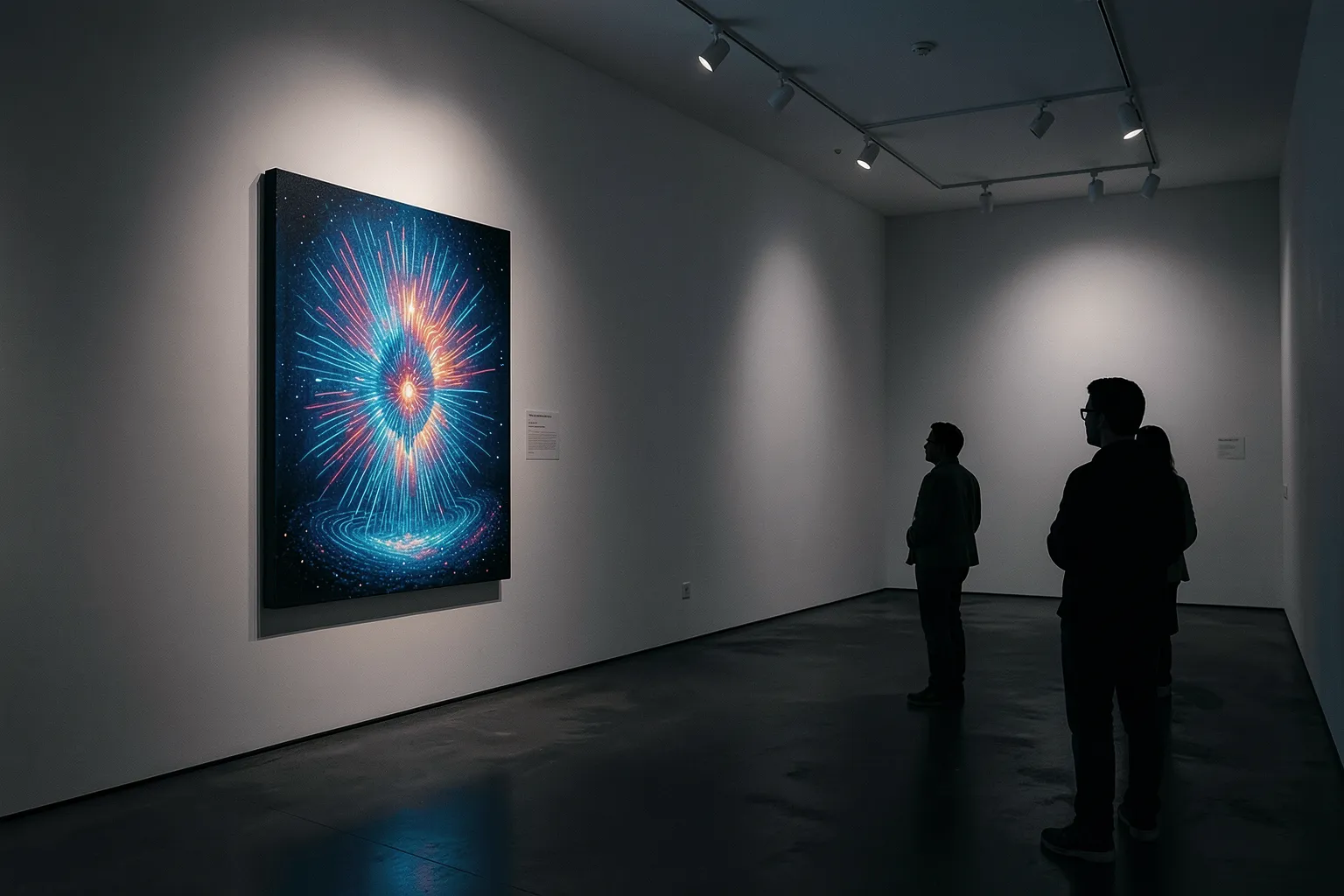
AI art keeps making headlines in 2026. Museums open. Auctions sell. Yet a new survey of galleries tells a stranger story. Most dealers still refuse to call it a real medium. The gap between the noise and the gallery floor has never looked wider.
Artsy polled gallery professionals this year and found a blunt verdict. Only about nine percent of them accept AI-generated art as a legitimate new medium. That number lands hard. It arrives in the same year that dedicated AI-art institutions launched and headline auctions cleared six-figure lots. The market shouts; the galleries shrug.
The number that stopped the hype
Nine percent is not indifference. It reads as resistance. Galleries sit at the choke point of the art economy. They vet artists, set prices, and decide what enters serious collections. When most dealers withhold the word „medium,“ they withhold the ladder that turns a trend into a canon.
The survey exposes a split that press releases hide. Technology advances fast. Institutional acceptance crawls. Christie’s ran its first all-AI sale and drew an open letter from thousands of artists who accused AI companies of training on their work without consent. That fight still shapes how dealers talk to clients about provenance and permission.

Why dealers hesitate
Gallerists earn their reputation on scarcity and trust. AI art strains both. A model can spit out a thousand near-identical variations before lunch. Collectors ask hard questions. Who made this? What did the artist actually do? Where did the training data come from? Many dealers cannot answer cleanly, so they wait.
Legal fog thickens the caution. A late-2025 settlement pushed toward compensating artists whose work fed commercial models. Galleries read that signal clearly. They do not want to sell a piece today that a court reframes as infringement tomorrow. Risk, not taste, drives much of the reluctance.
- Provenance: buyers demand a clear chain from prompt to print.
- Scarcity: infinite variants undercut the edition model galleries rely on.
- Authorship: dealers struggle to name the artist’s genuine contribution.
- Liability: unresolved training-data lawsuits keep lawyers nervous.
The human premium hardens
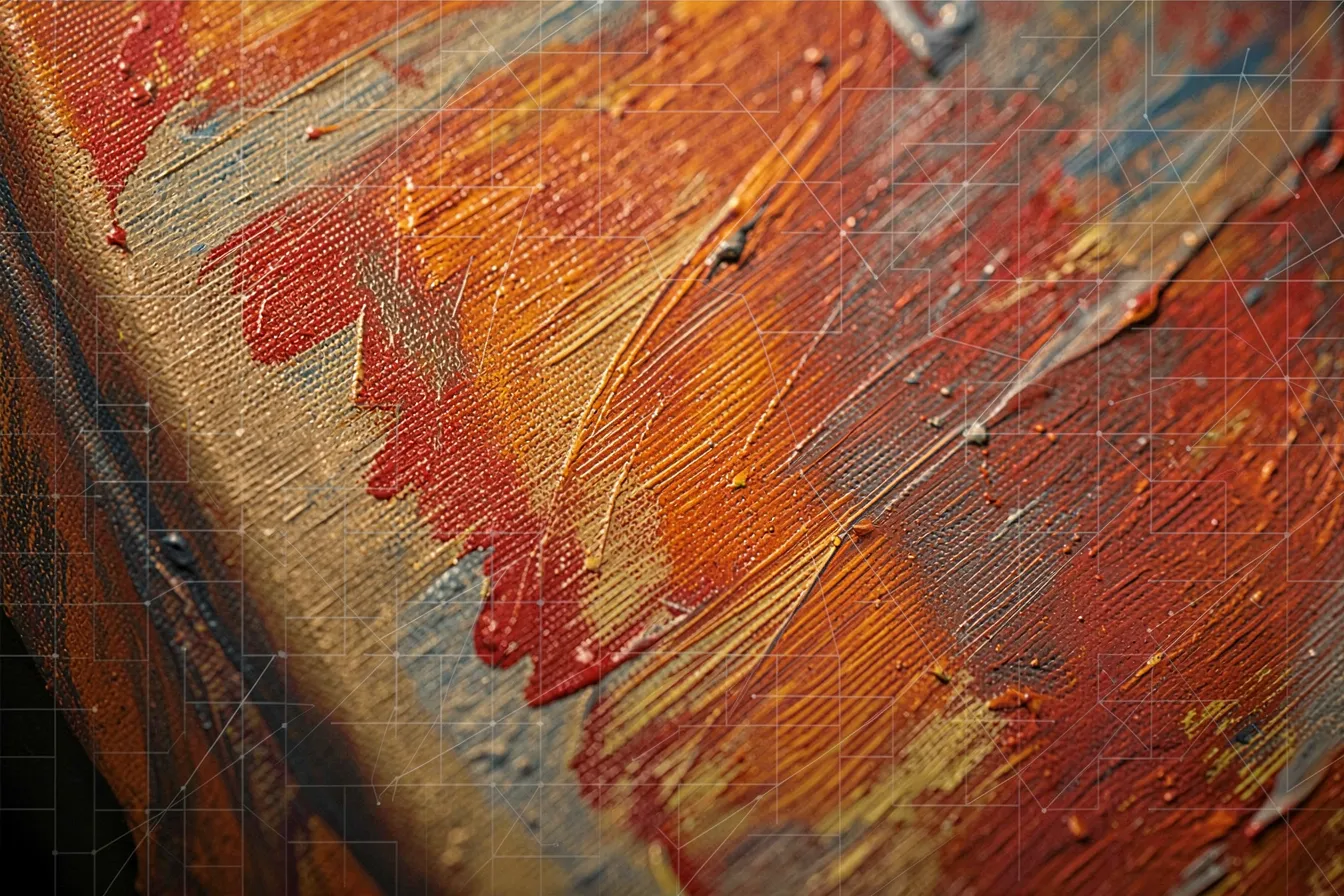
The same market pressure pushes collectors the other way. Many now pay more for work that plainly shows a human hand. Dealers call it the authenticity economy. Buyers chase brushmarks, mistakes, and the visible labor that a diffusion model erases. AI art advances technically, yet the premium sits with imperfection.
This does not doom generative work. It sorts it. Collectors reward artists who treat the model as an instrument, not a vending machine. A recognizable point of view still wins. Pressing „generate“ does not.
What the nine percent should do next
Artists who work with AI can close this credibility gap. They should document process, disclose tools, and license training data they control. They should show the hand behind the machine. Galleries respond to clarity, not spectacle.
The 2026 survey is a warning and an opening. The market has already blinked; the gatekeepers have not. The artists who bridge that gap — who make authorship legible and provenance clean — will drag AI art from novelty into canon.
Explore where AI art is heading
We track these shifts every week and turn them into practical tools and inspiration for creators. See how thoughtful, human-led AI art actually looks and works at ai-art-designer.de.
Images: AI-Designed