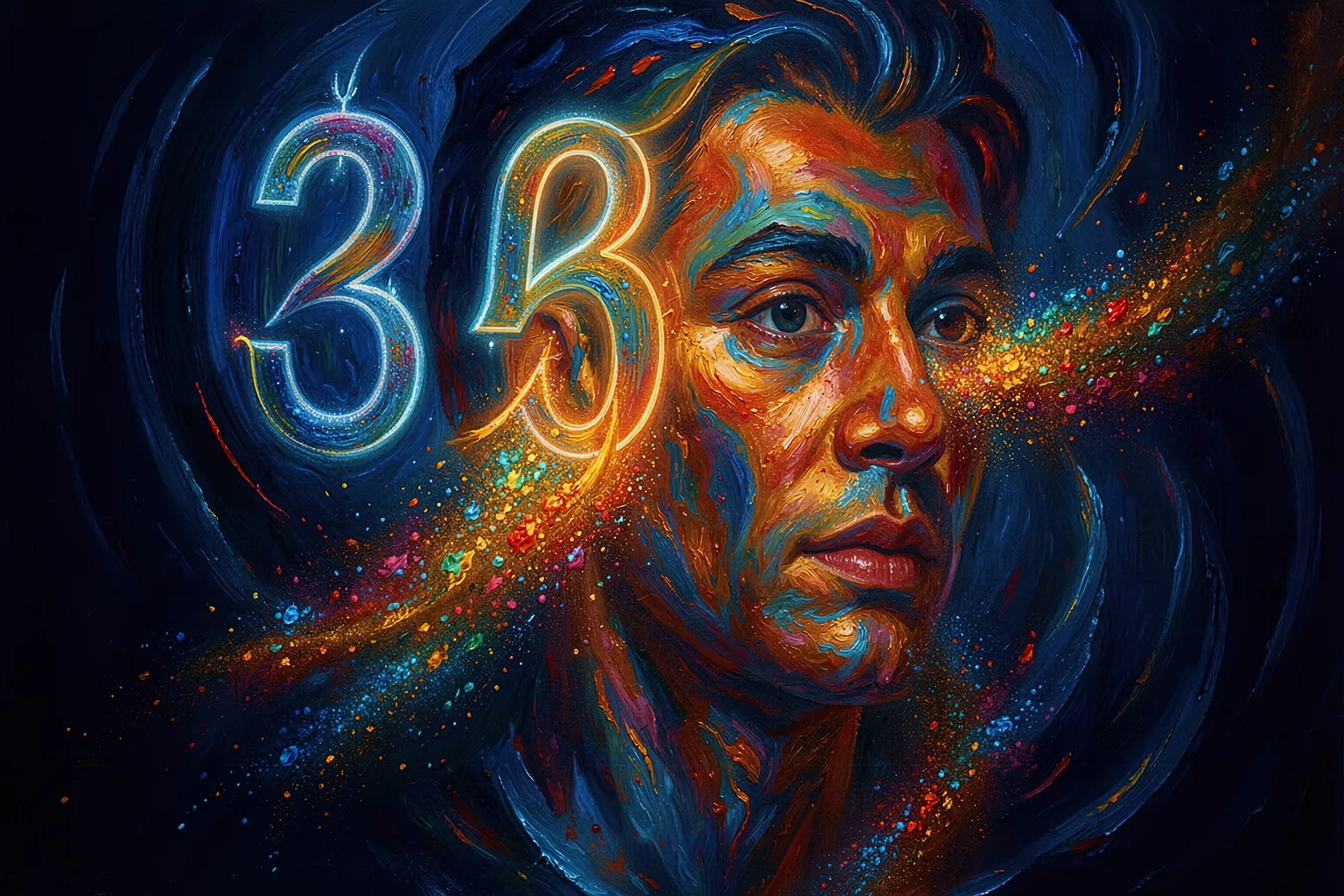
Every generative image starts with a number. Artists call it the seed. It sets the noise the model sculpts into a picture. Change one digit, and the whole composition shifts. Most beginners ignore this number. Serious generative artists build their entire practice around it.
Randomness sounds like the opposite of control. Yet skilled artists tame it deliberately. They treat the seed as a tuning knob, not a lottery ticket. This article shows how they turn chance into craft.
The seed as a compositional anchor
A fixed seed freezes the model’s starting noise. The artist then edits the prompt word by word. Each tweak reveals how one term reshapes light, pose, or color. Nothing else moves. This isolation turns guesswork into a controlled experiment.
Painters once glazed layer over layer to test a hue. Generative artists now lock a seed and swap adjectives instead. They learn the model’s private vocabulary this way. A locked seed teaches faster than a thousand random rolls.
Variation as a deliberate technique
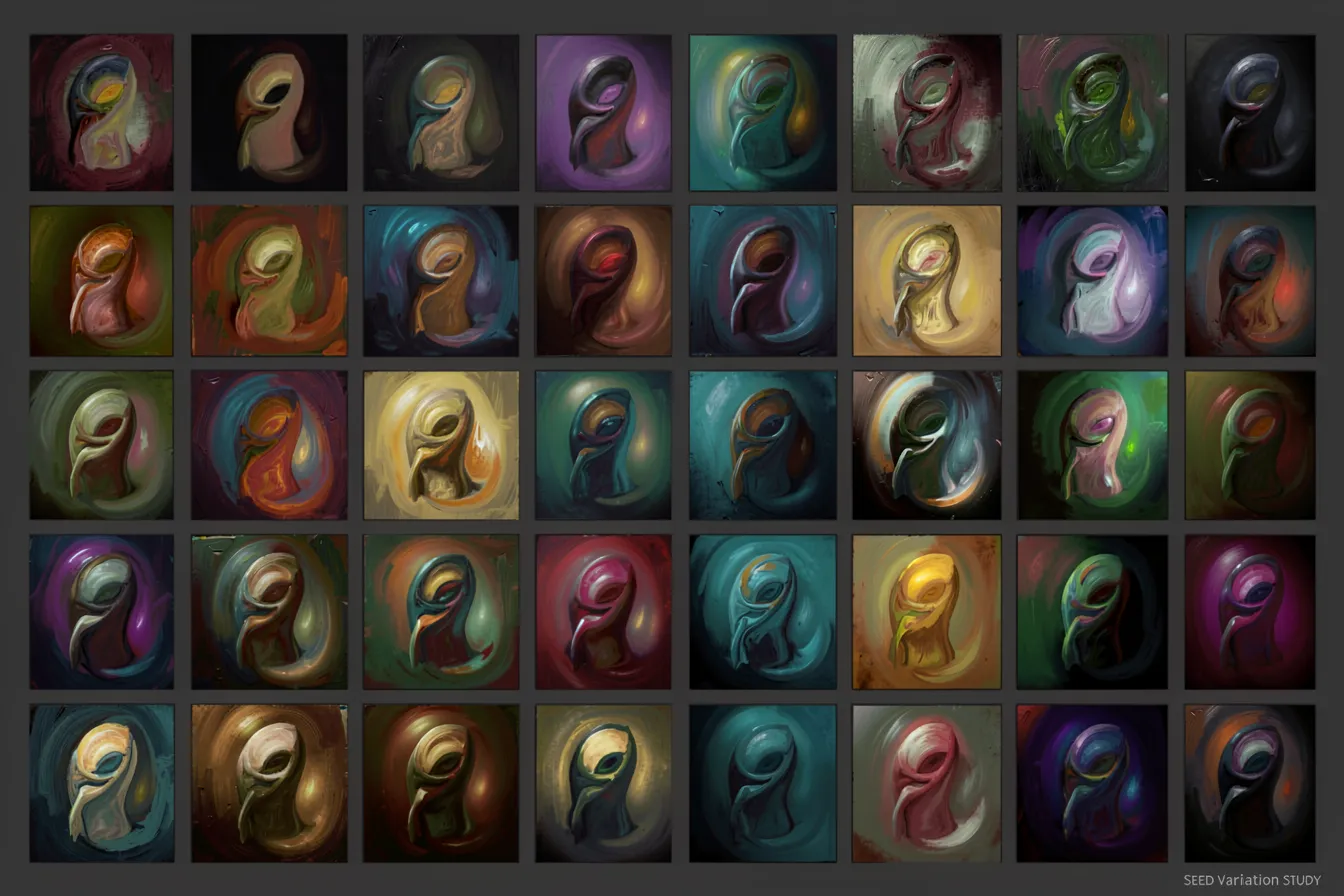
Artists rarely stop at one seed. They fan out across dozens of neighbors. Many tools offer a variation slider that nudges the noise slightly. Small nudges keep the composition but shift the mood. Large nudges invent fresh scenes from the same idea.
This spread becomes a visual sketchbook. The artist scans it like a photographer scans a contact sheet. Some frames feel dead. A few crackle with tension. The trained eye spots the live ones instantly.
- Seed sweeps — run one prompt across many seeds to map the range.
- Micro-variation — hold the composition, chase a better expression or gesture.
- Batch curation — generate wide, then cut ruthlessly to a handful.
Curation is the real authorship
The model proposes. The artist disposes. Selection carries the artist’s fingerprint far more than any single prompt. Two people can share a prompt and a seed. They will still choose different survivors from the batch.
Photographers accepted this truth a century ago. They shoot hundreds of frames and print three. Generative artists inherit the same discipline. Taste, not typing, separates a striking image from a bland one.
Randomness with a leash
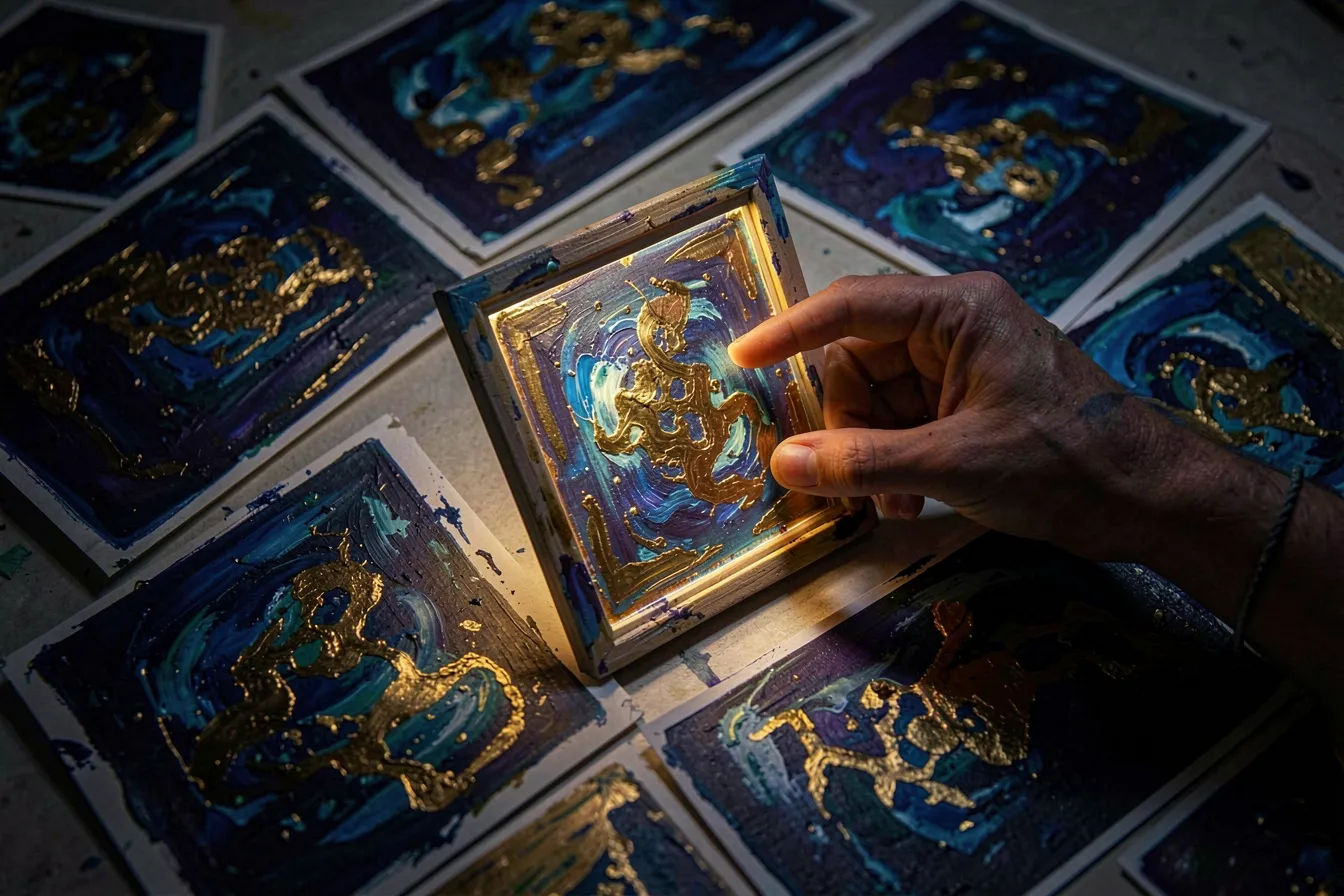
Advanced artists blend controlled and wild noise on purpose. They fix the seed for the subject and randomize the background. They freeze a face and let the palette drift. This split gives them a stable core and a surprising edge.
Some feed one seed into successive edits, building a chain. Each step inherits the last frame’s structure. The artist steers a slow evolution rather than a single roll. The result feels authored, not stumbled upon.
Chance belongs in the toolkit
Great art has always courted the accident. Jackson Pollock flung paint and read the drips. John Cage rolled dice to compose. Generative artists join that lineage with a numeric seed. They invite chance, then edit it hard.
The lesson is simple. Randomness is not a flaw in the tool. It is raw material waiting for a decisive hand. Master the seed, and the model becomes an instrument you play.
Want to see controlled randomness in action across styles and subjects? Explore fresh generative work and techniques at ai-art-designer.de.
Images: AI-Designed