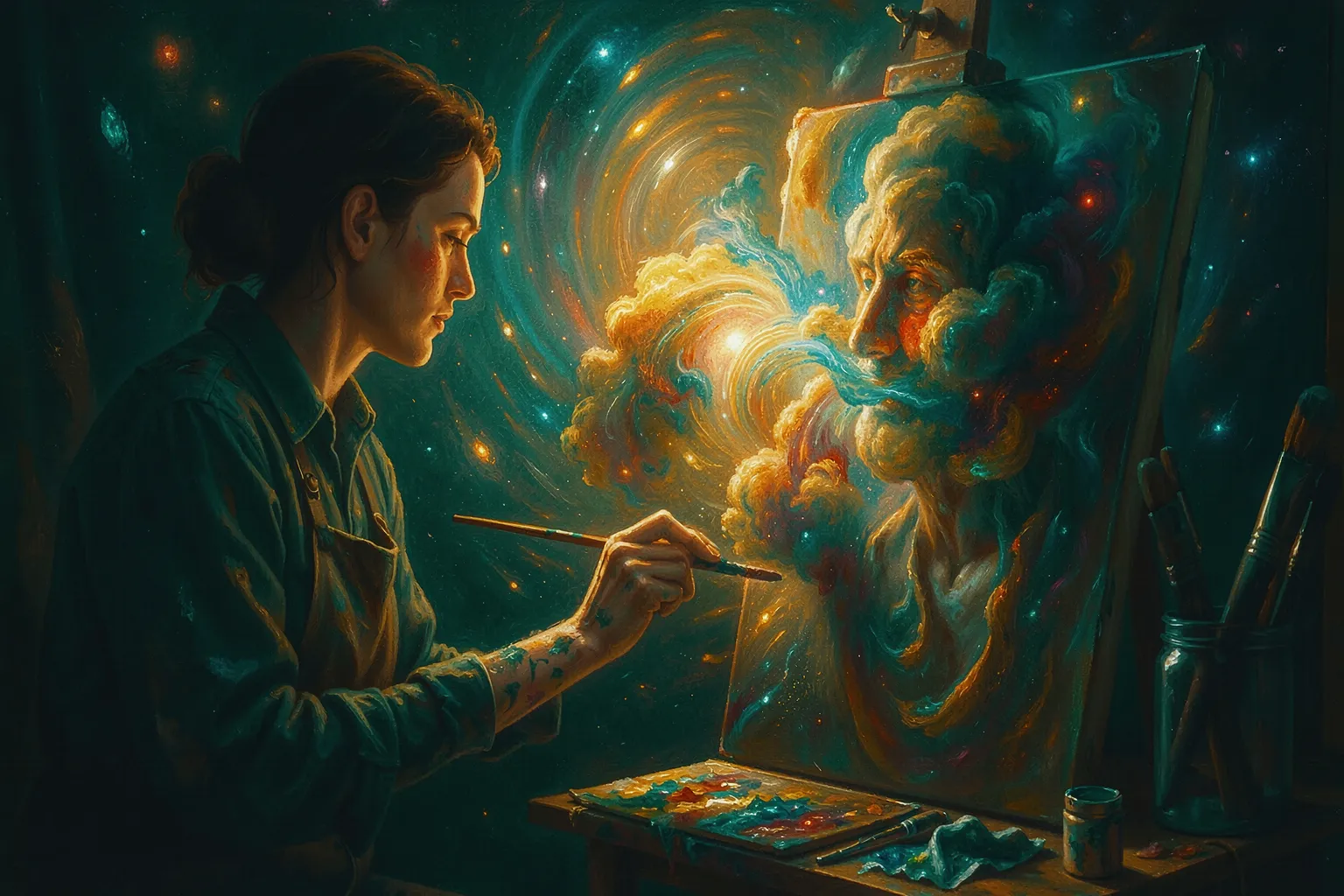
There is a stubborn myth about generative art: that the whole thing happens in the space of a sentence. You type a prompt, you press a button, a finished picture falls out. For a certain kind of quick image, that is true. But the artists doing the most interesting work with AI in 2026 have quietly moved past the one-shot prompt. For them, the prompt is only the opening move. The real work begins afterward, in a slow back-and-forth with the image itself — masking, repainting, nudging, re-rolling. It looks less like writing and more like sculpting.
This shift matters because it changes what generative AI actually is as an art medium. Not a vending machine for finished pictures, but a responsive material you push against and that pushes back. Once you see it that way, the tired debate about whether „typing words“ counts as art starts to feel like it is describing a tool nobody serious uses anymore.
The prompt is a sketch, not a painting
Ask any working generative artist how many prompts go into a single finished piece and the honest answer is rarely „one.“ The first prompt establishes a rough composition — the equivalent of blocking in a canvas with a big brush. It gives you light, mood, a general arrangement of shapes. What it almost never gives you is the piece. The hands are wrong. The horizon tilts. A gorgeous background is wasted behind a muddy foreground.
Treating that first result as a draft, rather than a verdict, is the whole mindset shift. The image becomes something to interrogate: what is working here, what is fighting me, what happy accident can I amplify? That interrogation is where taste enters, and taste is the thing no model supplies for you.
Sculpting with inpainting and img2img
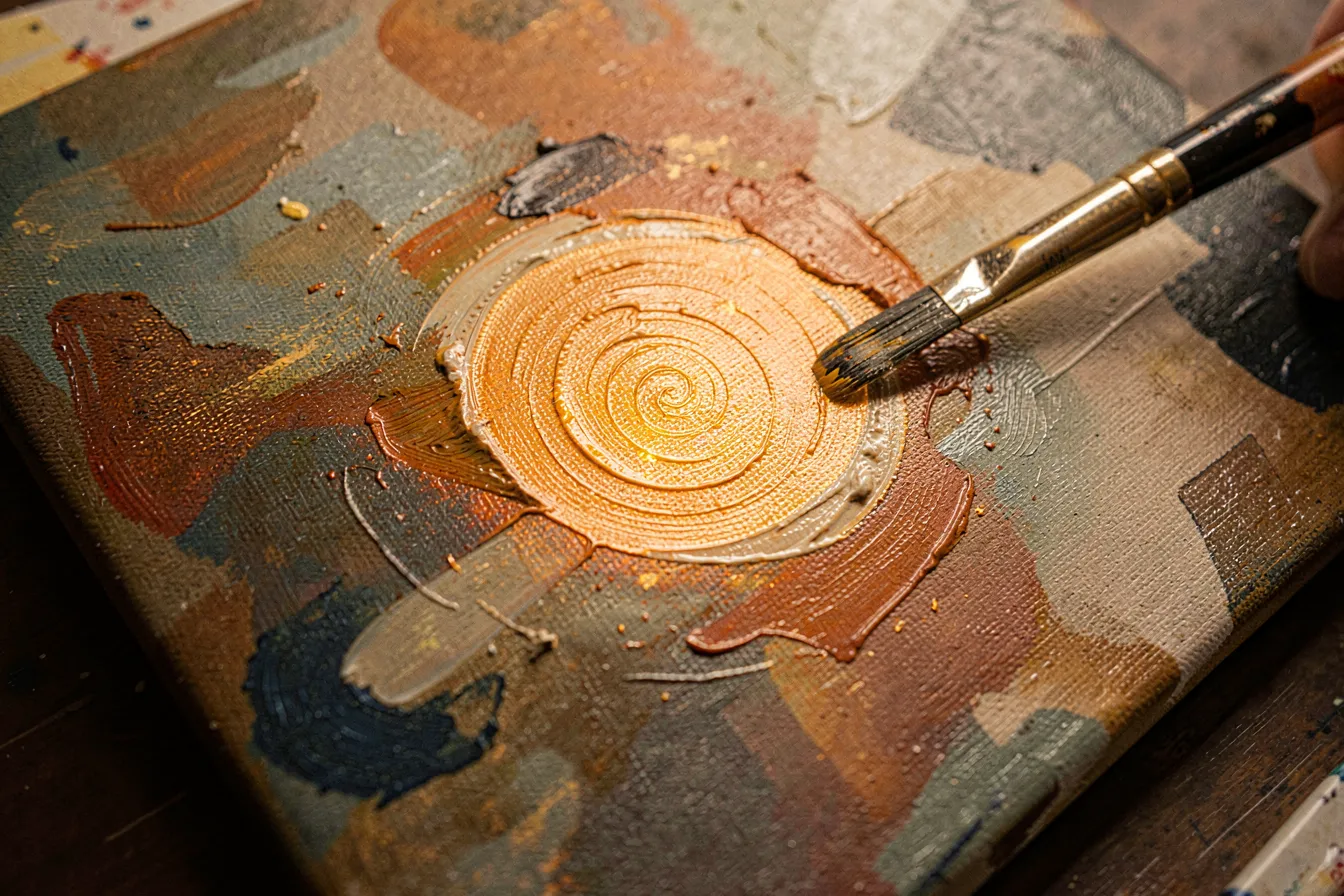
Two techniques carry most of this hands-on work. Inpainting lets an artist mask a region — a face, a hand, a corner of sky — and regenerate only that area while the rest holds still. It is the digital equivalent of scraping back a small patch of a painting and reworking it without touching the parts you love. Image-to-image (img2img) feeds an existing picture back into the model at varying strengths, so the artist can steer a composition toward a new mood, tighten a shape, or transplant a lighting scheme while keeping the underlying bones.
Used together, they turn generation into a genuine feedback loop:
- Rough pass — a loose prompt to establish composition and palette.
- Selective repair — inpaint the problem zones one at a time, testing several regenerations per patch.
- Directional nudges — low-strength img2img to unify color, contrast, and atmosphere across the whole frame.
- Detail passes — upscaling and fine inpainting to sharpen the areas a viewer’s eye will land on first.
None of these steps is automatic. Each one is a decision, and the decisions accumulate into something that carries a fingerprint.
Navigating the latent space by hand
Underneath the interface, every image the model can produce lives somewhere in a vast, high-dimensional „latent space.“ Seeds, strengths, and guidance settings are really coordinates and step sizes for moving through that space. Skilled generative artists develop an almost tactile feel for it — knowing when to hold a seed and vary the words, when to hold the words and hunt through seeds, when a tiny change in guidance will crack a stubborn image open.
That intuition is not so different from a photographer learning how their lens renders light, or a printmaker learning how a plate takes ink. The material has a grain. Working with it well means learning that grain and using it, rather than fighting it or pretending it is not there.
Why the editing is the art
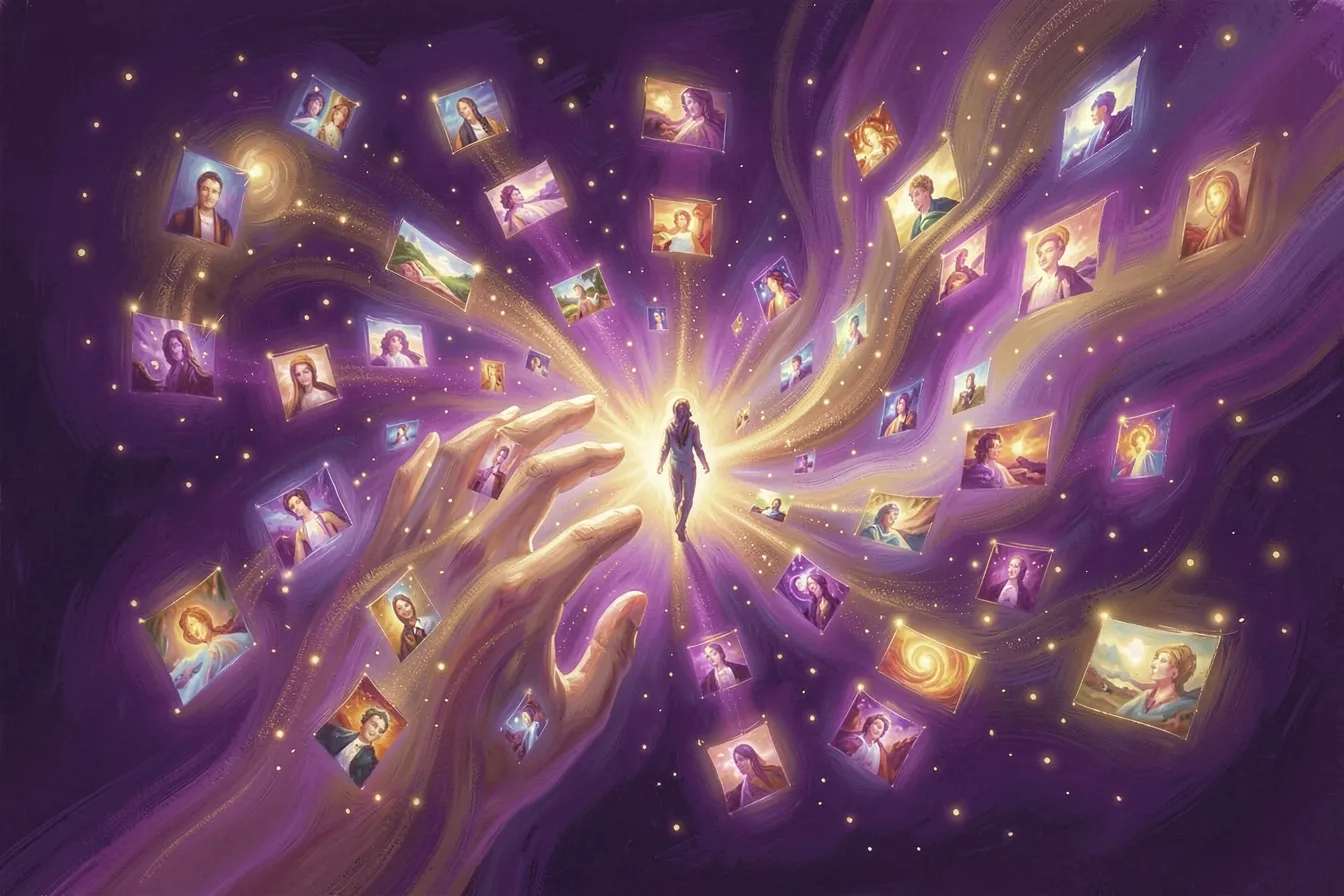
Here is the part critics tend to miss. In every mature medium, the decisive creative act is selection and refinement, not raw production. A novelist writes far more than survives editing. A photographer shoots a hundred frames to keep one. A sculptor removes everything that is not the figure. Generative art is no different: the model can produce a near-infinite flood of possibilities, and the artistry lives in which ones you chase, which you reject, and how relentlessly you rework the survivor until it says what you meant.
That is also why two artists handed the identical tools produce work you can tell apart. The model is a shared vocabulary; the sensibility steering it is not. Style, in this medium, is a pattern of choices — what you find beautiful, what you refuse to keep, how far you are willing to push before you stop.
A medium that rewards patience
The lesson for anyone starting out is almost anticlimactic: slow down. The one-shot prompt is a fine way to brainstorm and a poor way to make finished work. The artists whose output feels intentional are the ones treating each image as a project rather than a roll of the dice — masking, repainting, re-rolling, and editing with a clear picture in mind of where they are trying to arrive.
Seen that way, generative AI is not the death of craft. It is a new kind of craft, with its own tools, its own grain, and its own long apprenticeship. If you want to explore more of how artists and designers are shaping this medium, browse the ongoing work and ideas at ai-art-designer.de.