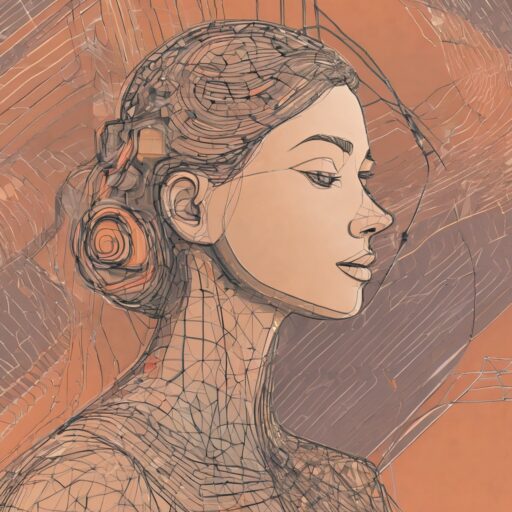
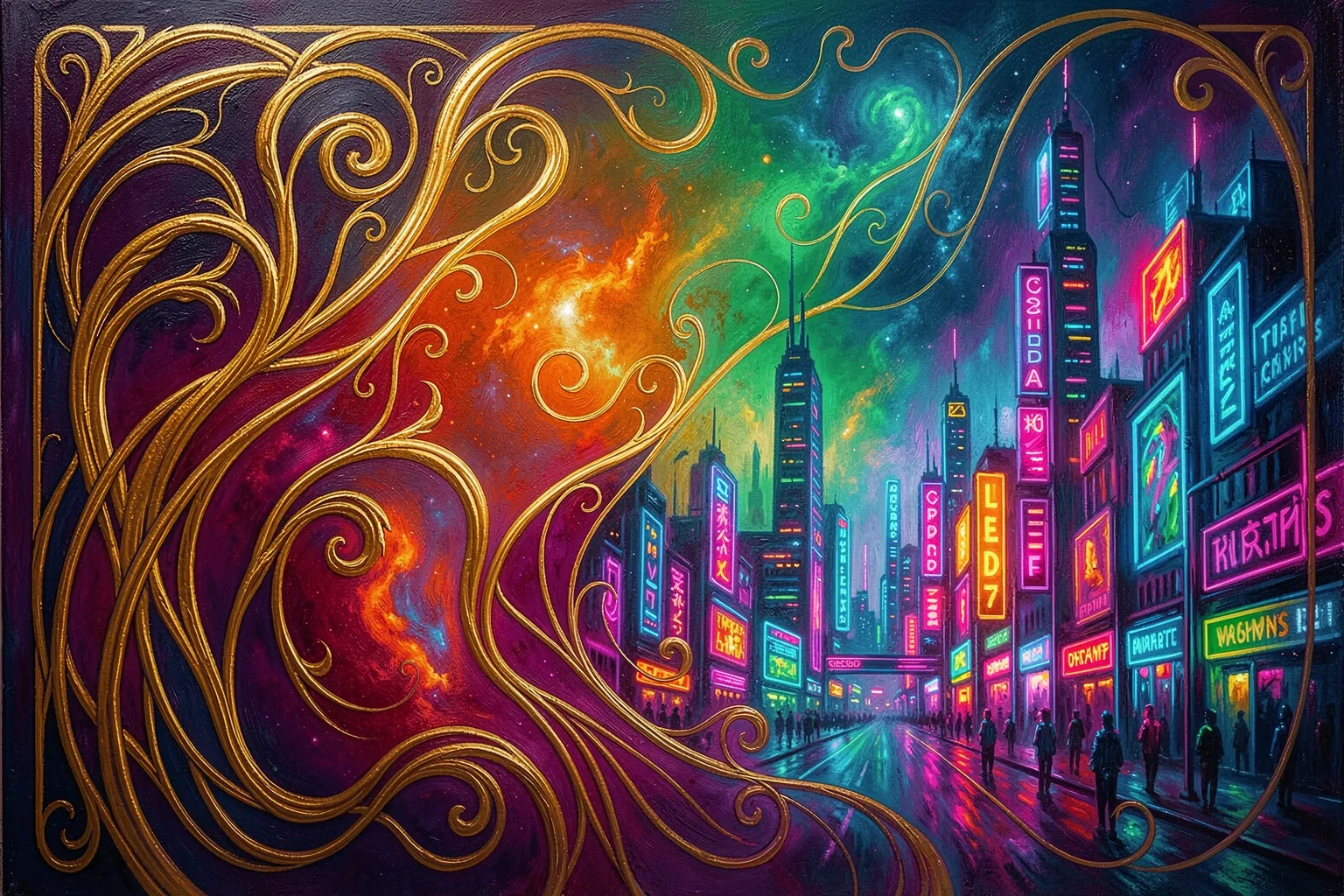
Ask a working AI artist what they actually do all day, and you will rarely hear „type a sentence and press generate.“ The most interesting practitioners in 2026 treat generative models the way a printmaker treats a press or a painter treats a palette: as an instrument with grain, resistance, and a technique that has to be learned. Nowhere is this clearer than in the craft of style-mixing — deliberately fusing two or more visual languages into a single coherent frame.
Style-mixing is no longer a party trick. It has quietly become one of the defining techniques of AI-native art, and it reveals something important: the medium is not the prompt. The medium is the space between styles, and learning to navigate it is where the artistry lives.
What „style-mixing“ really means
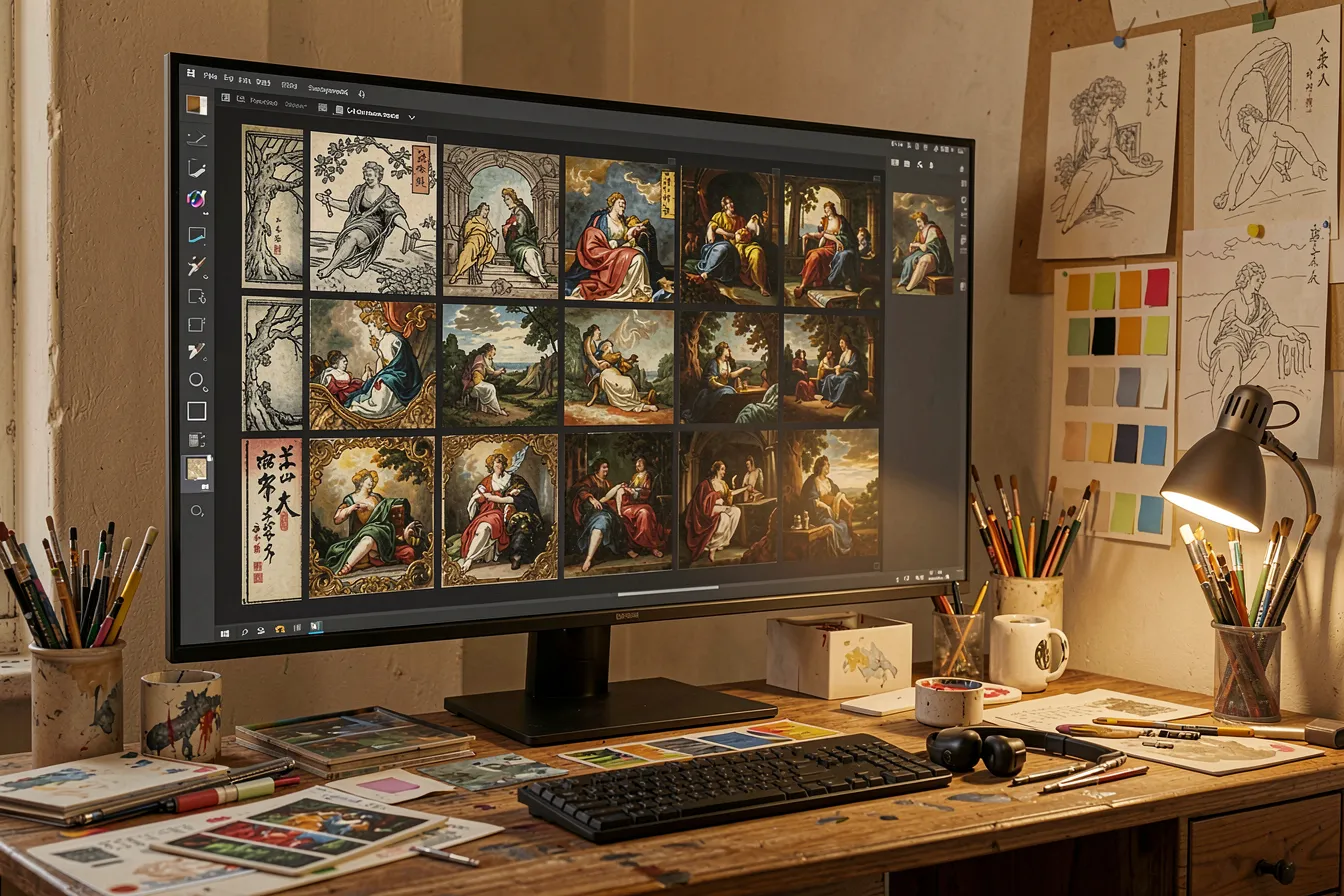
At its simplest, style-mixing means asking a model to render a subject as if two aesthetics had a conversation — Art Nouveau linework wrapped around a cyberpunk cityscape, or the flat color fields of Japanese woodblock prints applied to a Baroque still life. But the naive version, just stacking style names in a prompt, tends to collapse into mush. The model averages everything and you get a muddy compromise that belongs to no one.
Skilled artists avoid this by treating style as a set of controllable variables rather than a single knob. They separate structure (composition, pose, geometry) from surface (brushwork, palette, texture), and they intervene at each layer independently. That separation is the whole game.
The techniques behind the fusion
A few methods do most of the heavy lifting in a serious style-mixing workflow:
- Latent interpolation. Instead of choosing style A or style B, artists walk the path between them, sampling frames along the way until one composition feels alive. The „in-between“ images are often the most original.
- Regional prompting and masking. One aesthetic governs the sky, another the architecture, a third the figures. By painting prompts onto regions, the artist choreographs where each language speaks.
- Image-to-image and inpainting passes. A rough generation becomes raw material. Successive edits push the piece toward intention — repairing a hand, deepening a shadow, swapping a texture — the way a painter reworks a canvas over days.
- Reference conditioning. Feeding the model a structural reference (a sketch, a depth map, a photograph) locks the bones of the image while leaving the skin free to change.
None of these is automatic. Each requires taste, patience, and dozens of discarded attempts. The delete key is as important as the generate button.
Why fusion produces genuinely new work
Critics who dismiss AI art as „collage“ miss what style-mixing actually does. When two movements are blended in latent space, the model is not pasting one over the other — it is inventing the plausible visual grammar that would connect them. That synthetic grammar has never existed before. It is the reason a well-made fusion piece can feel uncanny and fresh rather than derivative: you are looking at an aesthetic that was interpolated into being.
This is also why the artist matters. The model offers a near-infinite field of possible fusions; the human decides which one is worth keeping. Curation, in this medium, is authorship.
A studio practice, not a shortcut
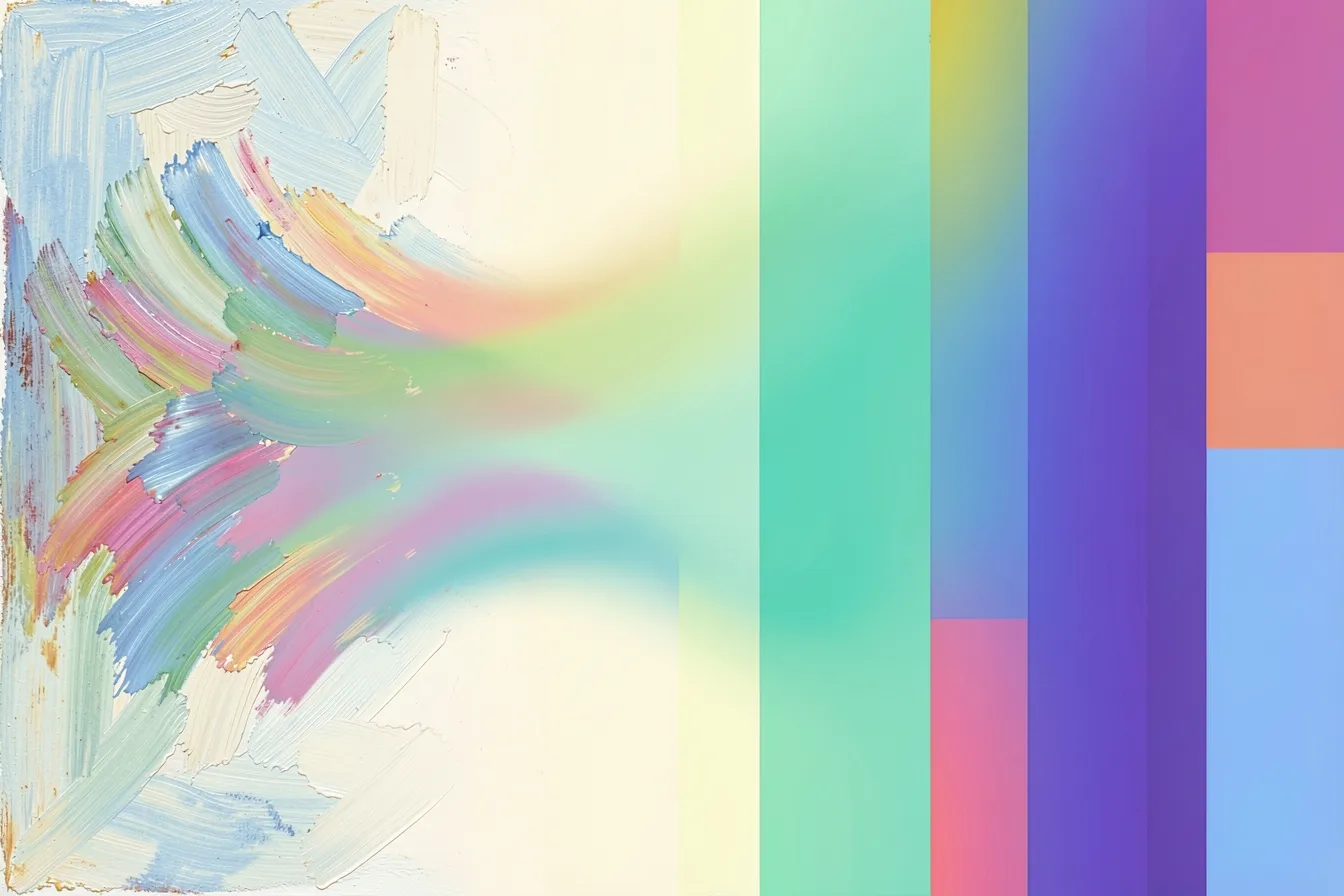
The artists doing the most compelling work have built repeatable habits: they keep seed libraries, version their prompts like code, and document which combinations produce which moods. They talk about „warming up“ a model the way a musician warms up an instrument. The romantic image of the lone genius pressing a button once and receiving a masterpiece is a myth — real practice looks like iteration, notes, and a lot of near-misses pinned to a virtual wall.
Where this is heading
As controls get finer — better regional editing, more faithful reference conditioning, cleaner style separation — the ceiling on style-mixing keeps rising. The technique rewards artists who think like directors: those who can hold a clear vision and bend a probabilistic tool toward it. Far from erasing craft, generative AI is quietly demanding a new one.
If you want to see how fusion, style-mixing, and AI-native techniques come together across art, design, and architecture, explore more at ai-art-designer.de — and start treating the model less like a vending machine and more like a studio.