
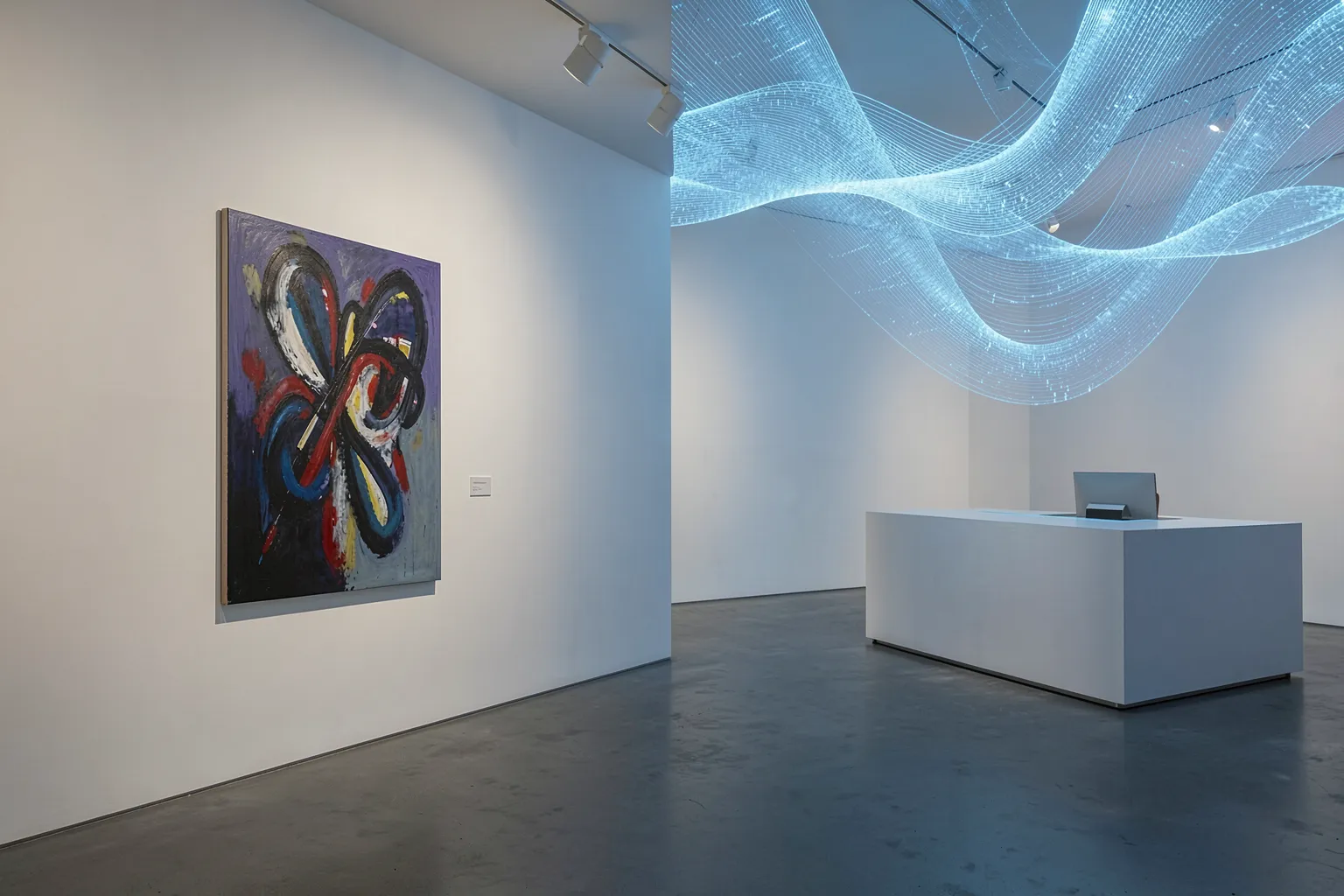
Walk into a blue-chip gallery in 2026 and the art on the walls looks defiantly human. Painters still paint. Sculptors still carve. Yet behind the front desk, a quieter shift has already happened. Galleries now run large parts of their daily operation on AI, even while they keep it far from the studio. The 2026 Artsy survey mapped this split, and it reveals a market learning to separate two very different questions.
Two questions the market keeps apart
The first question asks whether AI belongs in artistic production. Most artists who show with galleries answer no. They cite training data scraped without consent, anxiety about labor, and a flood of thin output that dilutes credibility. The second question asks whether AI belongs in the back office. Here the answer flips. Gallery staff reach for AI daily to draft emails, research provenance, plan logistics, and clear admin. They treat it as plumbing, not paint.
This distinction matters because it reframes the whole debate. Critics often argue as if the art world faces one verdict on AI. It does not. Dealers embrace the tool that speeds their week and reject the tool that threatens their artists. They hold both positions at once, and they do so on purpose.
What AI actually does at the front desk
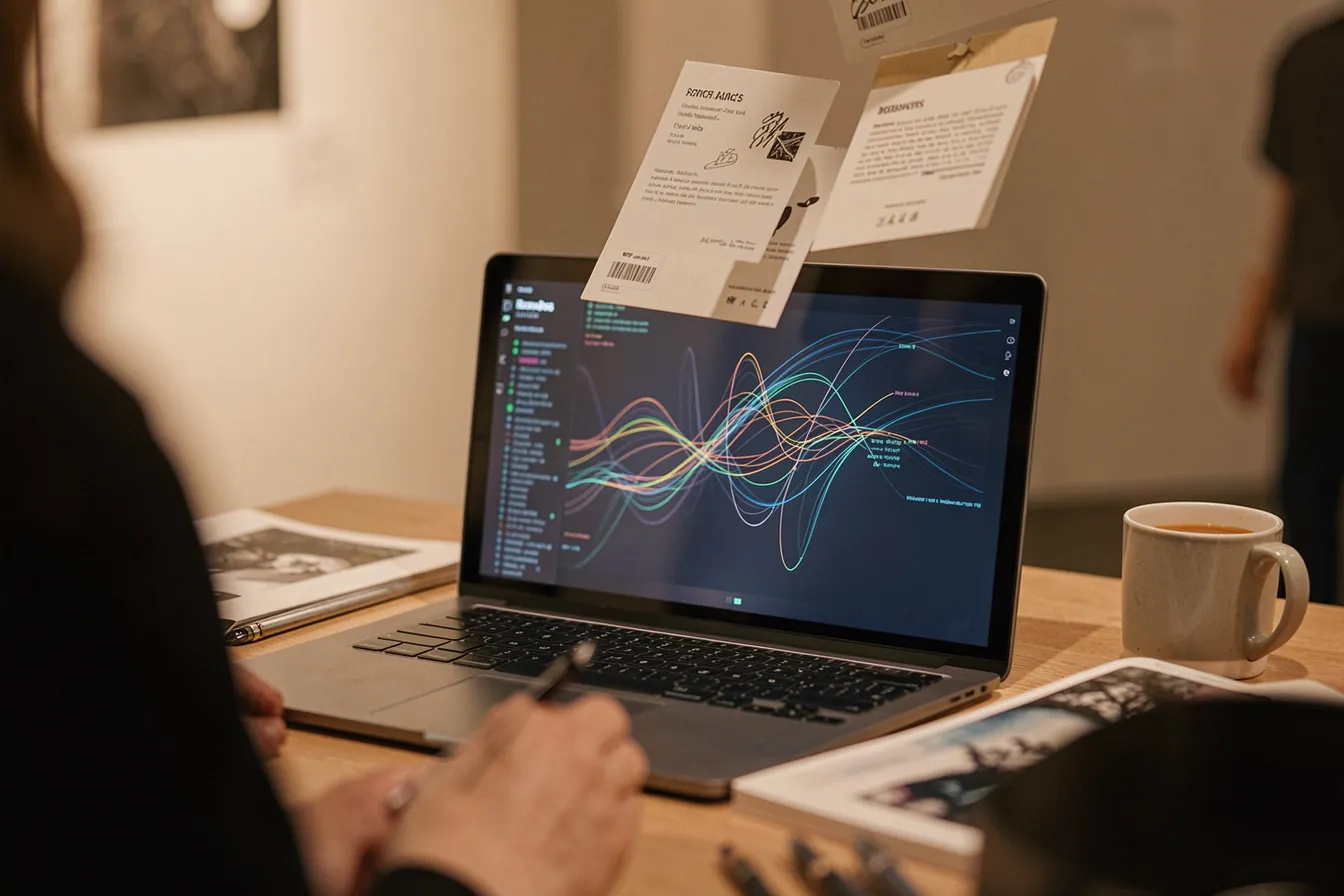
The practical wins pile up fast. A registrar cross-checks a work’s exhibition history in minutes instead of hours. A director drafts a collector update, then edits it into her own voice. A small gallery with three staff suddenly runs research that once demanded a dedicated hire. AI absorbs the repetitive load, and people spend the saved time on relationships and judgment.
These tasks share a useful trait. Nobody hangs an email on a wall. Nobody signs a logistics spreadsheet. When AI handles work that carries no aura and claims no authorship, the ethical stakes shrink. The gallery gains speed without touching the thing collectors actually pay for.
Why the studio stays a hard line
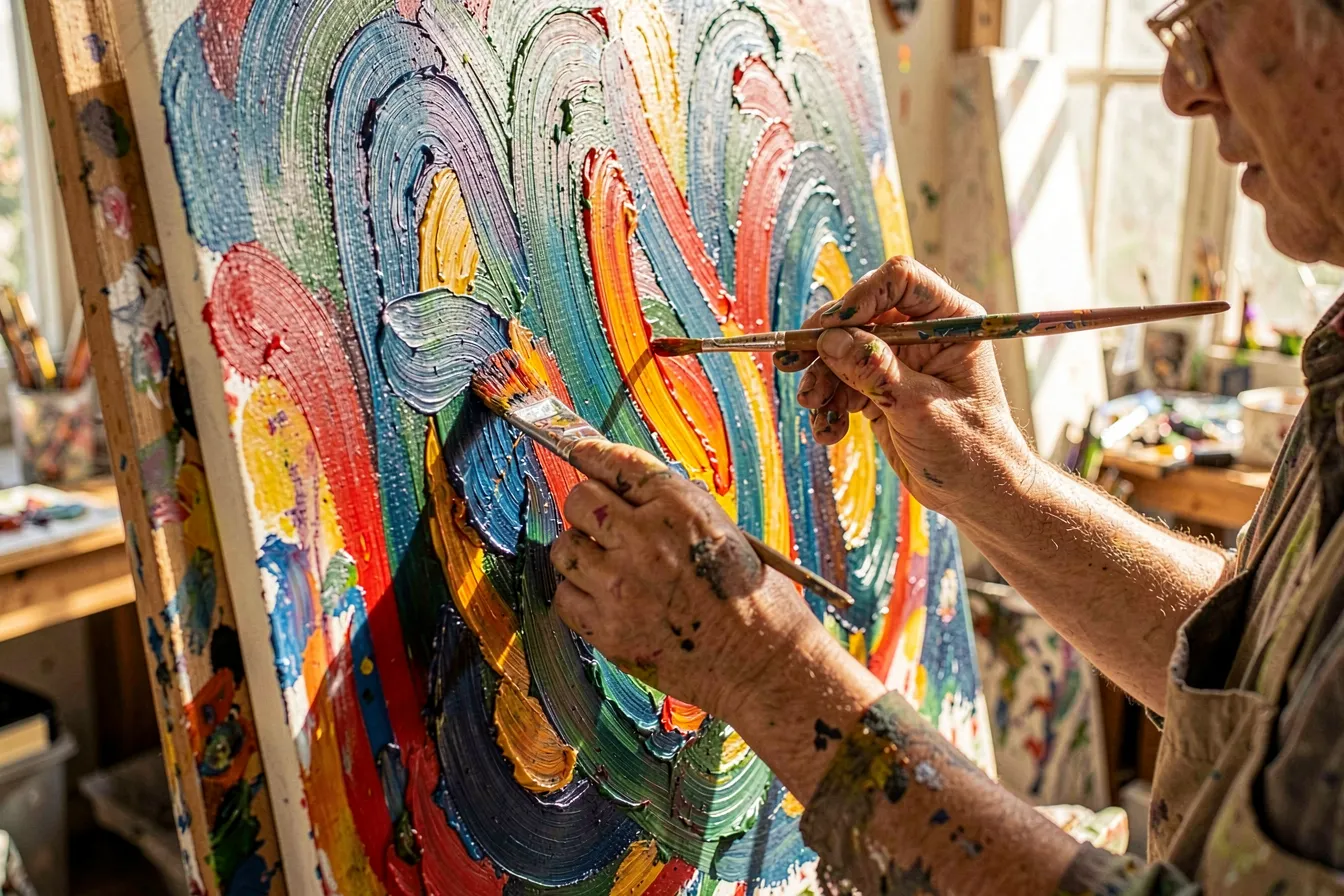
Production is different, and dealers know it. A collector buys a painting partly for the artist’s hand and decision. Blur that origin and you blur the value. So galleries guard the studio even as they automate the office. They also read the room. Buyers in 2026 still pay a premium for clear human authorship, and no dealer wants to explain away a machine-made surprise after a sale.
Regulation sharpens the line further. The European AI Act now runs in active enforcement, and it presses for disclosure around AI systems and their training data. Transparency has become the clearest ethical standard available. A gallery that uses AI for admin has almost nothing to disclose. A gallery that quietly used it in production has a real problem.
The risk of a two-tier reputation
The split creates a subtle danger. As back-office AI becomes normal, some observers assume it has crept into the art itself. That suspicion can taint a program unfairly. Galleries counter it with plain communication. They name where AI helps and where it never touches. The ones who speak clearly protect both their efficiency and their credibility.
A second risk targets the smallest players. AI lowers the cost of running a gallery, which sounds democratic. Yet it also raises buyer expectations for polish and speed. Tiny galleries that skip the tools may look slow beside rivals who adopted early. The technology rewards the operationally sharp, not the loudest.
What this tells us about 2026
The art world is not resolving the AI question. It is routing around it. Galleries treat AI as infrastructure and treat art as art, and they refuse to let one bleed into the other. That pragmatism looks unglamorous, but it works. It lets a dealer champion a painter’s untouched practice on Monday and run an AI research query on Tuesday, with no contradiction at all.
For anyone watching the market, the lesson is clear. Ask not whether a gallery uses AI, but where. The answer tells you far more than any headline about machines making art. To follow how AI reshapes design, architecture, and the creative professions, explore more at ai-art-designer.de.
Images: AI-Designed