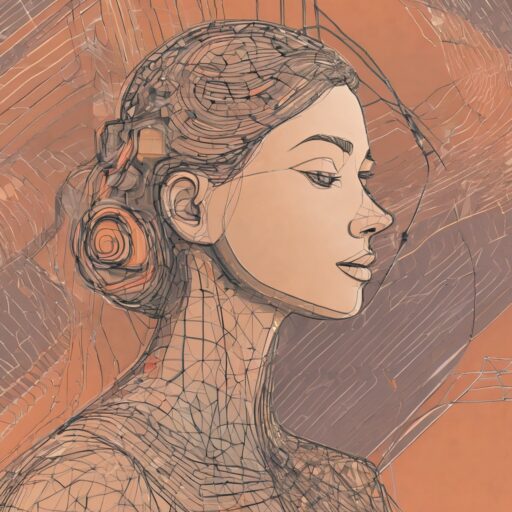
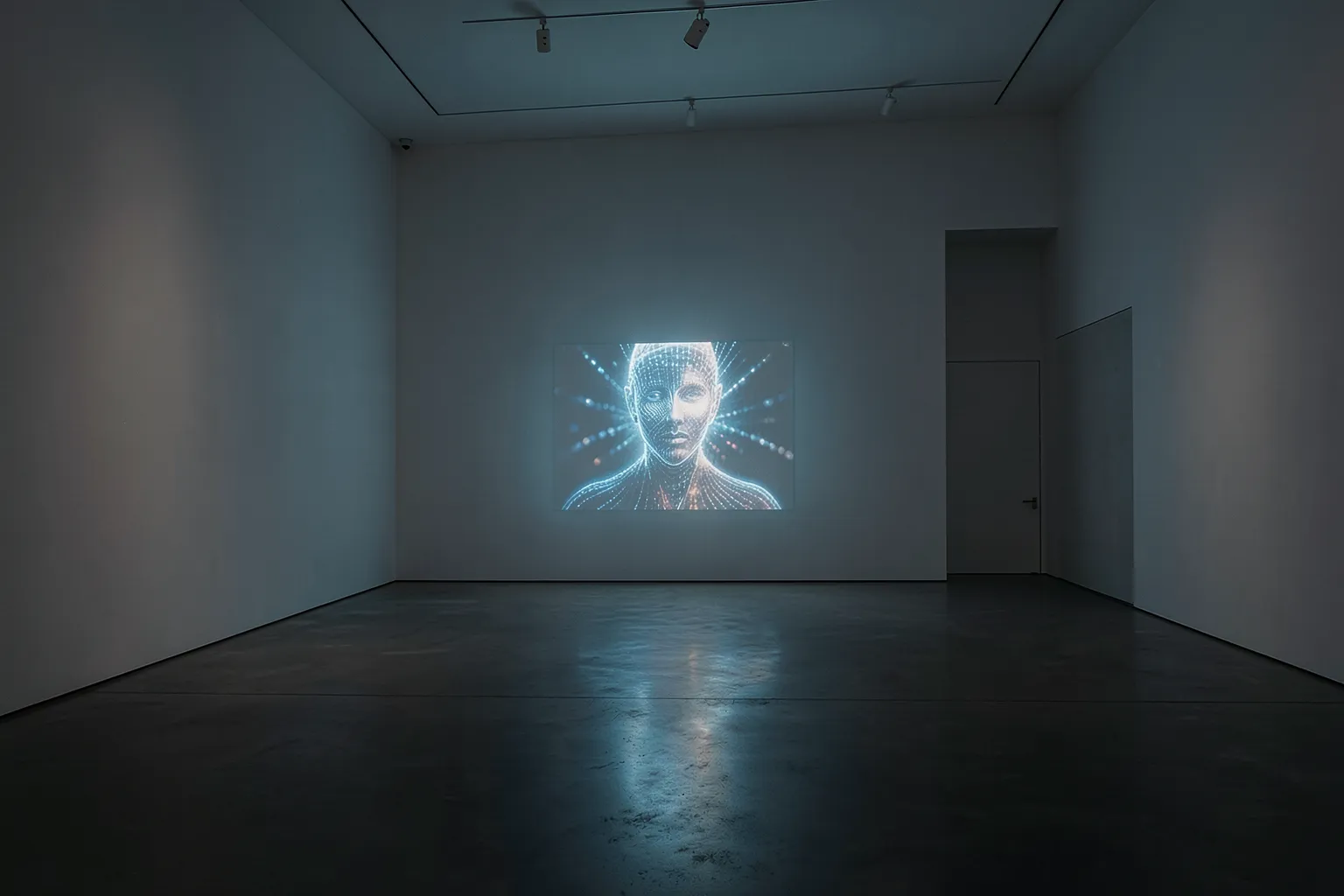
Something strange is happening in the contemporary art world of 2026. The technology that dominates almost every other cultural conversation — generative artificial intelligence — is conspicuously missing from its most prestigious stage. At the Venice Biennale, the discipline’s global summit, reflection on AI is almost entirely absent. For a medium that has consumed headlines, courtrooms, and studios for three years running, that silence is itself a statement.
The Biennale That Looked Away
The 2026 Venice Biennale arrived buried under its own discourse. Geopolitical disputes, a jury that resigned days before opening, and a European Commission recommendation to withdraw funding all dominated the coverage. Yet critics noted a quieter and more telling omission: the near-total absence of any serious artistic engagement with artificial intelligence — the very force reshaping surveillance, geopolitics, intimacy, and the human psyche.
This is remarkable. The art world usually rushes to metabolize whatever is disrupting the wider culture. Photography, video, the internet, NFTs — each was absorbed, argued over, and eventually canonized. AI, by contrast, is being met at the gates of the institution with something closer to a shrug, or a deliberate turning away.
What the Galleries Actually Think
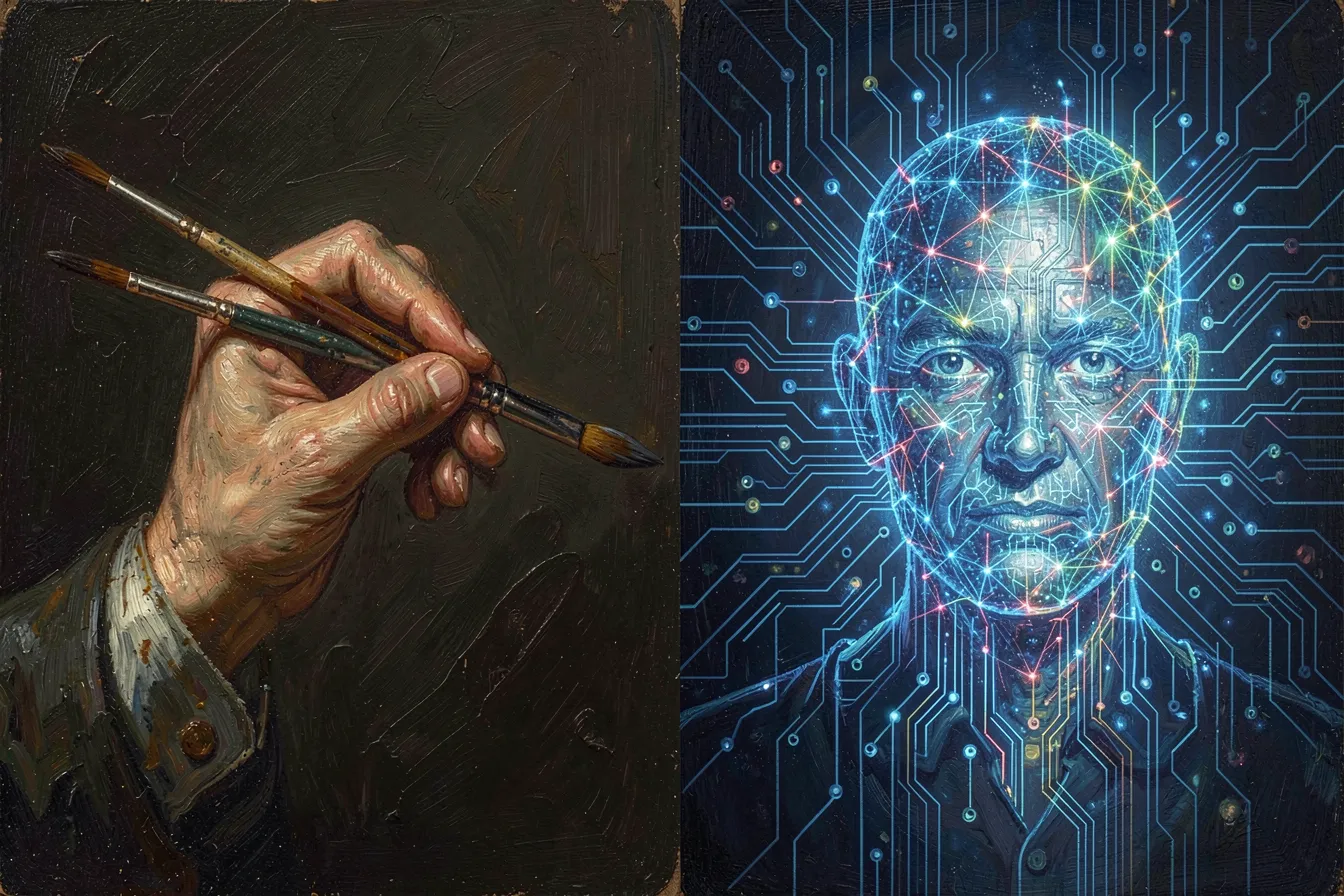
The Biennale’s silence is not an accident. It reflects a genuine and hardening skepticism among the professionals who shape taste and markets. The Artsy AI Survey 2026 found that only 9% of gallery professionals consider AI-generated art a legitimate new medium. A quarter of them describe it as a „destabilizing force“ for authorship and value.
The reasons recur across conversations with dealers and curators:
- Authorship anxiety. If a model trained on millions of images produces the work, whose vision is on the wall?
- Ethical unease. Training data, consent, and the uncompensated labor of the artists whose work fed the machine remain unresolved.
- Market caution. After the NFT boom and bust, galleries are wary of embracing another technology-driven category that may not hold value.
- Craft and scarcity. The traditional art market runs on the singular hand and the limited edition — concepts that infinite generation strains to the breaking point.
Absence Is Not the End of the Story
It would be easy to read all this as a verdict: the establishment has judged AI art and found it wanting. But art history rarely moves through official channels. The most consequential movements — Impressionism, Dada, street art, early net art — were first refused by the salons and biennales of their day, only to be embraced a generation later.
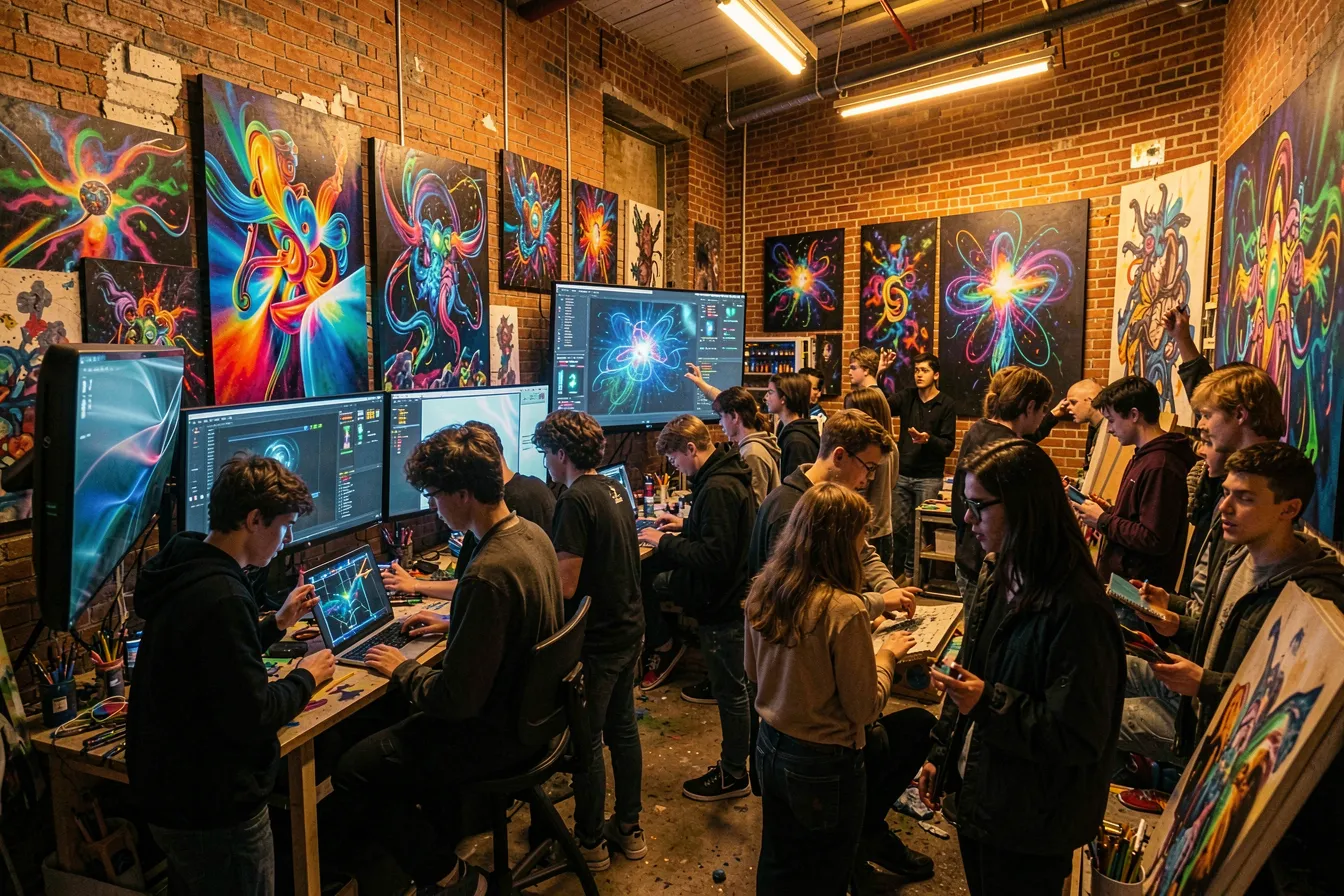
AI art today looks less like a rejected applicant and more like a movement building outside the walls. It thrives on independent platforms, in open-source communities, in the studios of artists who treat the model as an instrument rather than a novelty. The institutional cold shoulder may simply mean the interesting work is happening somewhere the Biennale isn’t looking yet.
A More Honest Conversation
The healthiest outcome of 2026’s tension would not be uncritical adoption or blanket dismissal, but a sharper set of questions. When is a generative image a genuine artwork, and when is it decorative output? What does authorship mean when a prompt, a fine-tuned model, and thousands of iterative choices all contribute? How should artists be credited — and compensated — when their catalog becomes training data?
These are not questions that a single Biennale can settle, and the fact that the official art world is largely avoiding them does not make them disappear. If anything, the avoidance guarantees they will return louder, at the next edition and the one after that.
Where This Leaves Us
The 2026 art scene is telling us two things at once. The gatekeepers are not ready, and the medium is not going away. That gap — between institutional hesitation and cultural momentum — is exactly where new art forms have always been born. The most exciting AI art of this decade is unlikely to debut in a national pavilion. It will emerge from artists willing to wrestle with the tool honestly, and from audiences curious enough to look.
Curious what AI as an artistic medium actually looks like when it is taken seriously? Explore styles, ideas, and generative experiments at ai-art-designer.de — and decide for yourself where the real frontier is.