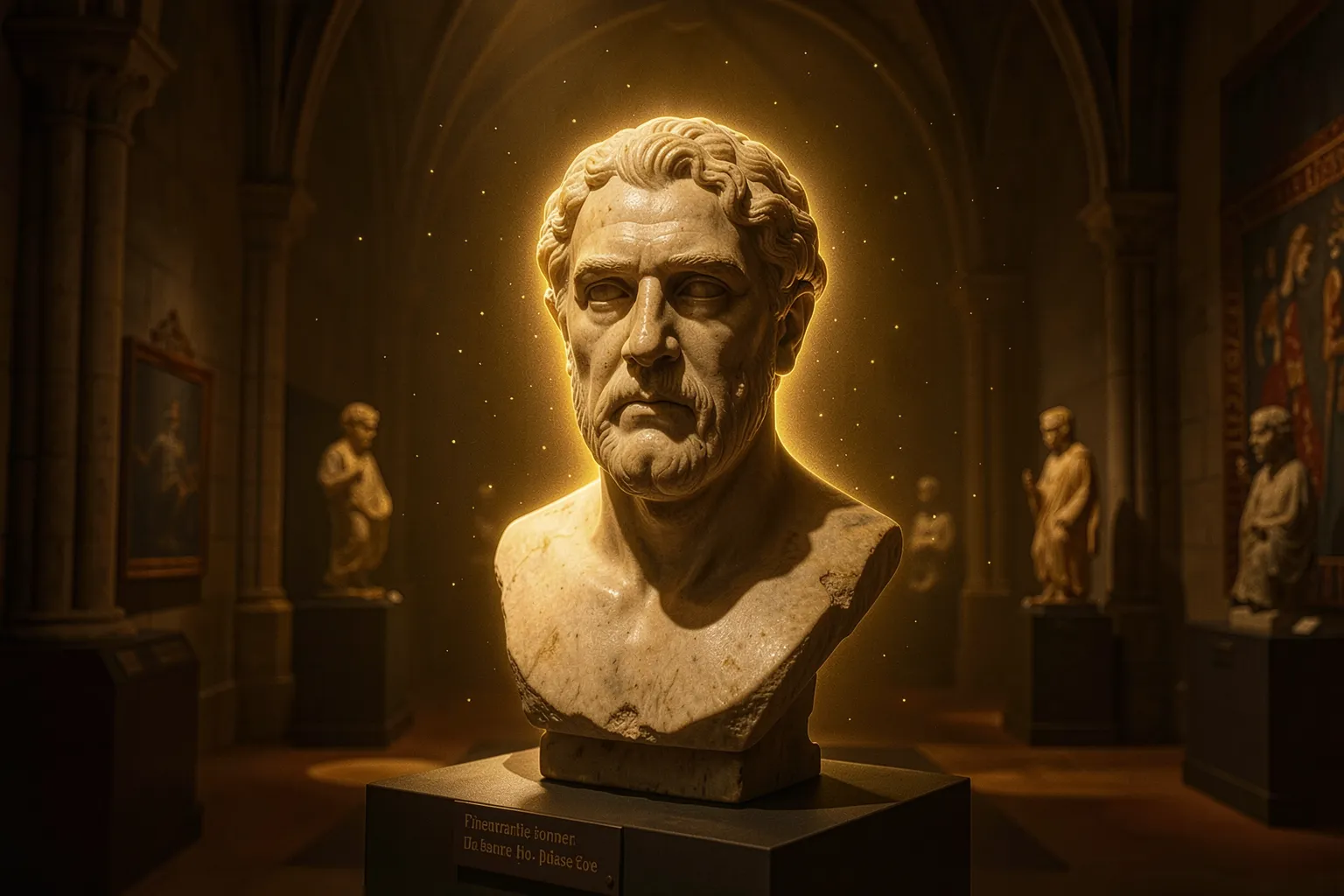
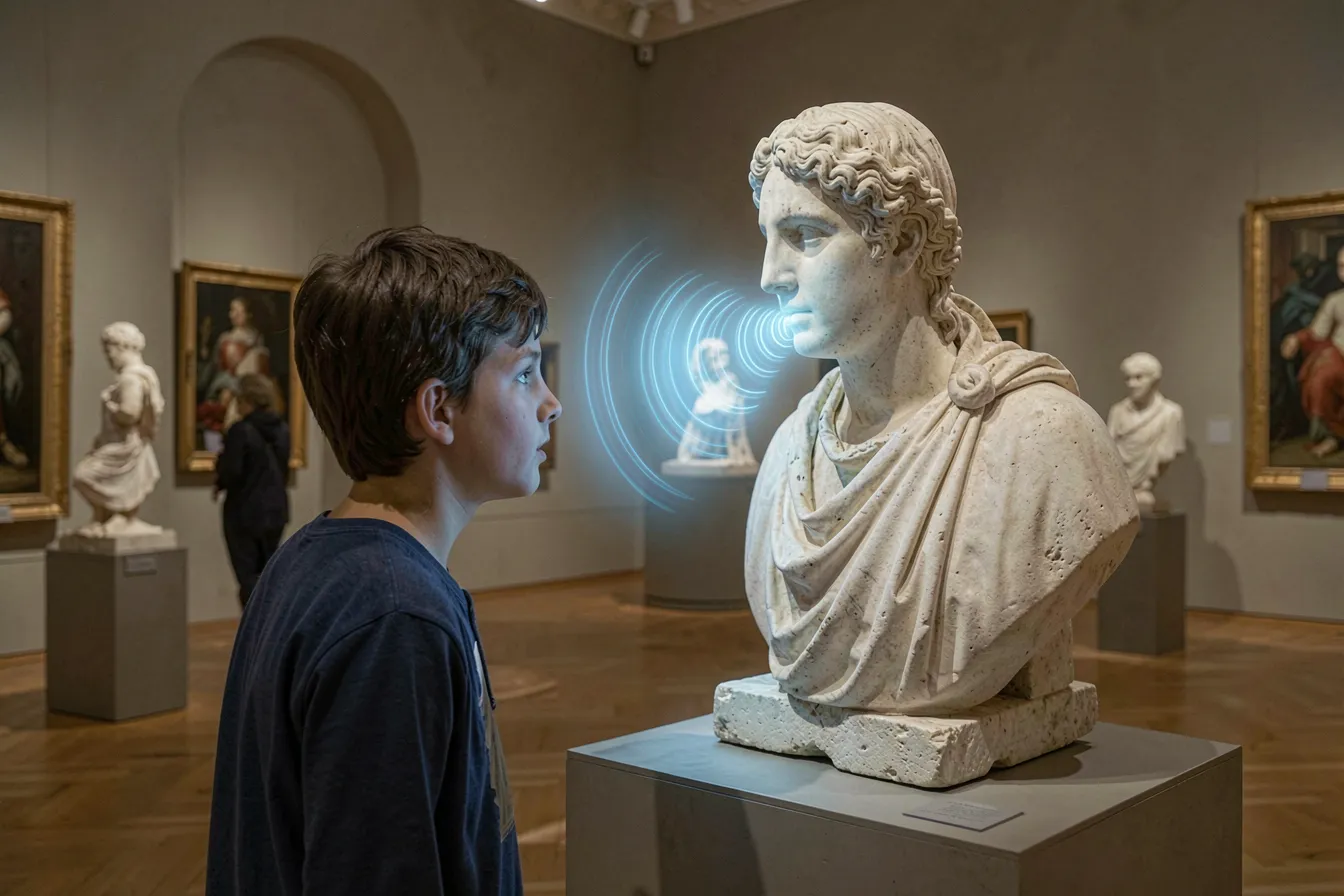
This month the art world stopped arguing about who makes art and started asking a stranger question: what happens when the art talks back? The Metropolitan Museum of Art switched on a set of AI-driven „talking“ statues in its Medieval Galleries. Visitors now speak to a bust, and the bust answers. The move signals a shift. Museums no longer treat AI mainly as a way to generate images. They treat it as a way to change how we meet the objects we already own.
The Met Makes Old Stone Speak
The installation lets guests ask a sculpture about its origin, its maker, or its long journey into the collection. An AI voice replies in character, grounded in the museum’s own scholarship. Curators feed the system verified provenance, dates, and historical context. The statue then improvises answers within those guardrails. The effect feels theatrical, almost uncanny. A carved face that stared silently for centuries suddenly holds a conversation about the workshop that shaped it.
The Met frames this as interpretation, not spectacle. The goal is access. A teenager who ignores a wall label will happily interrogate a talking bust. That small behavioral shift matters more than any headline.
A Wider Turn Toward AI as Guide
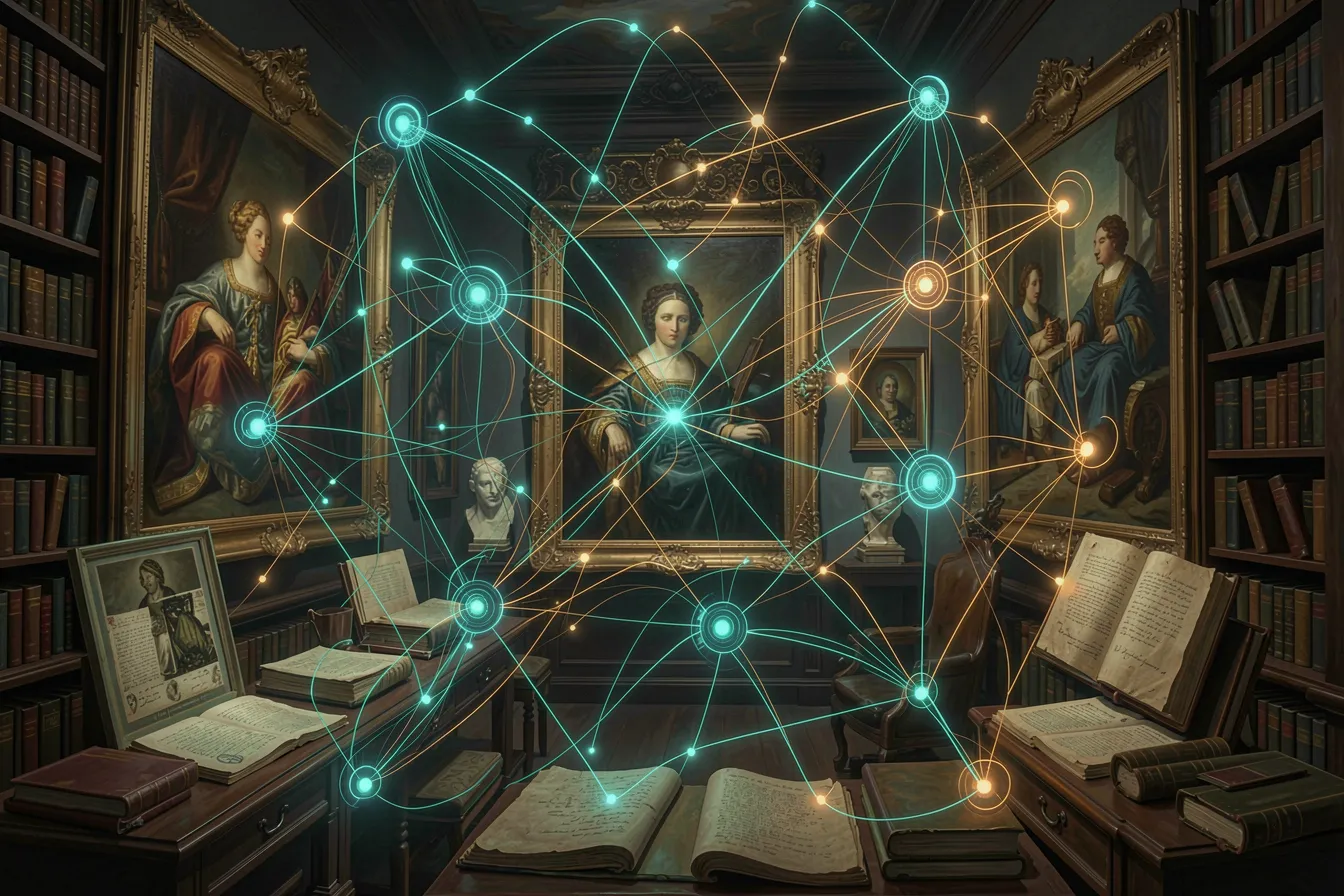
The Met is not alone. In 2026 the National Gallery of Art in Washington extended an AI initiative that hunts for looted and missing works. It pairs a chatbot with traditional provenance research and public „wanted“ posters. The Uffizi announced an ambitious digital transformation the same week. Across these projects a pattern emerges. Institutions point AI at the tasks that surround art rather than at art-making itself.
This distinction reframes the whole debate. For three years critics fought over generative images and authorship. Museums quietly chose a different lane. They use AI to interpret, to research provenance, and to guide visitors through crowded halls. The technology serves the object instead of replacing the artist.
- Interpretation: conversational guides that answer questions in plain language.
- Provenance: models that trace ownership and flag suspicious gaps.
- Access: translation, audio description, and tailored tours for every visitor.
Why Curators Trust This Version of AI
Curators guard their credibility fiercely, so they set strict limits. The Met’s statues cannot invent facts freely. The system draws on curated data, and staff review its behavior. This design answers the loudest fear about museum AI: hallucination. A talking statue that fabricates history would embarrass the institution overnight. So engineers constrain the model tightly and log every exchange.
That caution builds trust. Visitors sense that the voice speaks from real research, not from a chatbot’s imagination. The museum keeps its authority while handing guests a livelier way to learn.
What This Means for Artists and Audiences
Talking statues also nudge the authorship conversation forward. When a museum uses AI to explain a Rodin, nobody claims the machine sculpted it. The human hand stays central, and the AI simply narrates. This framing may calm collectors who still crave the artist’s touch. It shows a future where AI amplifies human craft instead of erasing it.
Audiences win most. A conversation invites curiosity that a placard never sparks. Children ask blunt questions. Adults probe details they would never look up alone. The gallery becomes a dialogue rather than a silent parade past glass cases.
Skeptics still raise fair worries. A charming voice can flatten nuance or steer attention toward crowd-pleasing objects. Museums must resist turning scholarship into a theme-park script. The best programs will keep the AI honest and let the art stay strange.
The Quiet Revolution in the Galleries
The talking statue marks a turning point that few predicted. AI entered museums through the back door of interpretation, not the front door of creation. It makes old art newly loud, and it does so without touching the artist’s role. That balance may prove the most durable use of AI in the art world yet.
We explore these shifts every week, from AI as a creative medium to AI as a museum guide. Follow the conversation and see more experiments in AI-driven art and design at ai-art-designer.de.
Images: AI-Designed