An AI image costs nothing to copy. Anyone can right-click, screenshot, or regenerate a near-identical frame in seconds. So why do collectors still pay real money for it? In late 2026, that question drives the sharpest debate in the art world. Buyers no longer ask whether a machine made the work. They ask what, exactly, they own when they buy it.
The answer reshapes galleries, auction houses, and the artists who feed these systems. Scarcity used to come from the object. Now it comes from everything around the pixels.
Scarcity moved off the canvas
Traditional art ties value to a single physical thing. You own the painting; nobody else does. Generative art breaks that link. The file duplicates perfectly and endlessly. Collectors and dealers responded by rebuilding scarcity through structure instead of substance.
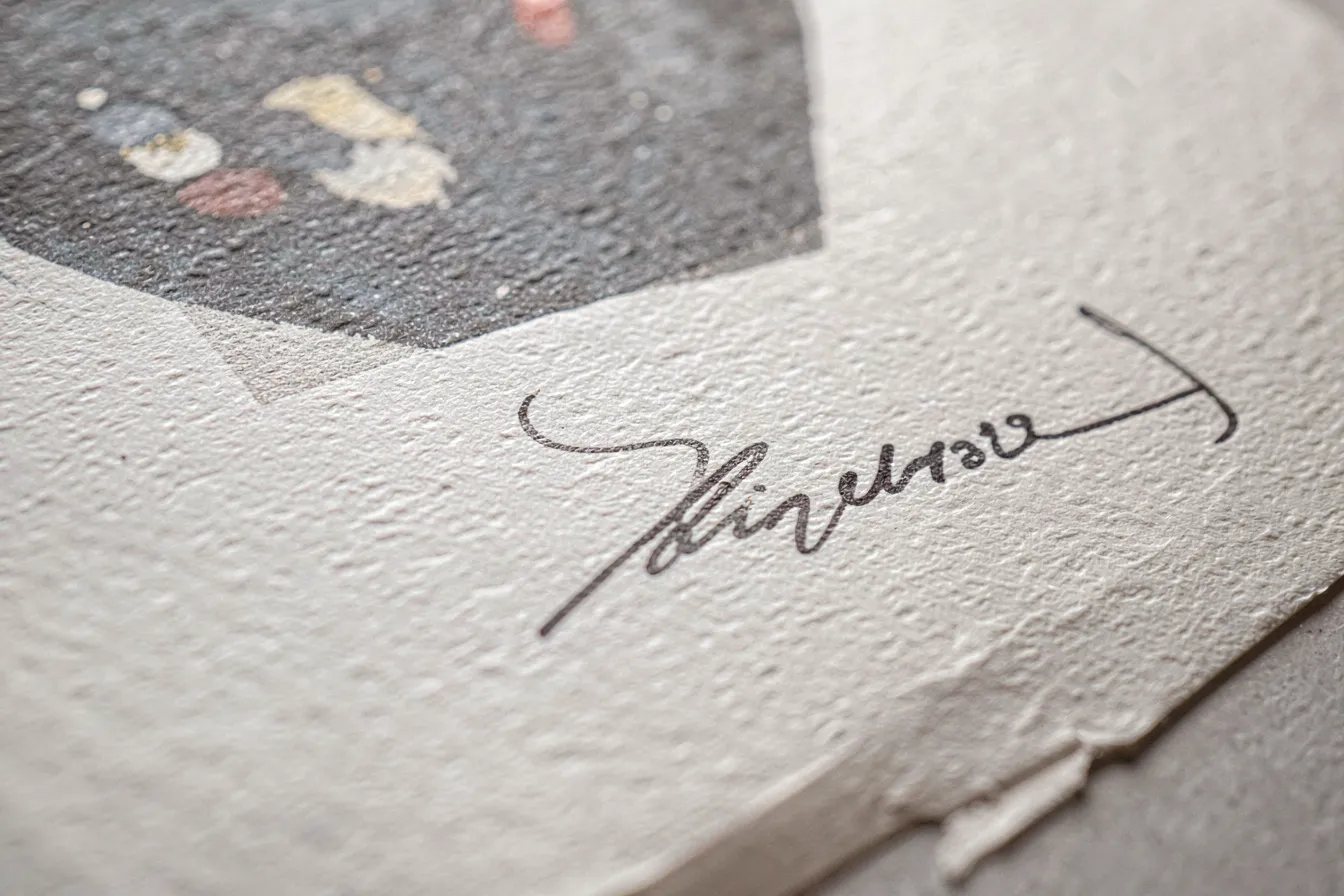
Editions do most of the work. An artist mints ten signed prints, numbers them, and closes the run. The image spreads freely online, yet only ten people hold the authorized version. Auction houses now treat that edition record as the asset, much as they treat a photographer’s negatives.
- Provenance: a documented chain from artist to current owner.
- Editions: a fixed, signed run that caps supply.
- Certificates: proof that this copy is the sanctioned one.
The model becomes the masterpiece
A second shift matters more. Serious buyers increasingly chase the artist’s trained model, not a single output. When a creator fine-tunes a system on years of personal work, that model produces a recognizable style on demand. It holds the signature. It becomes the real intellectual property.
This changes what a sale means. Some artists sell one flagship image plus limited rights to its underlying model. Others guard the model tightly and release only finished pieces. Either way, collectors now weigh the tool behind the picture. The output shows the style; the model owns it.
Galleries have started to notice. A few represent the artist’s system as a body of work, the way a dealer might represent a printmaker’s whole practice rather than one plate.
Provenance you can actually verify
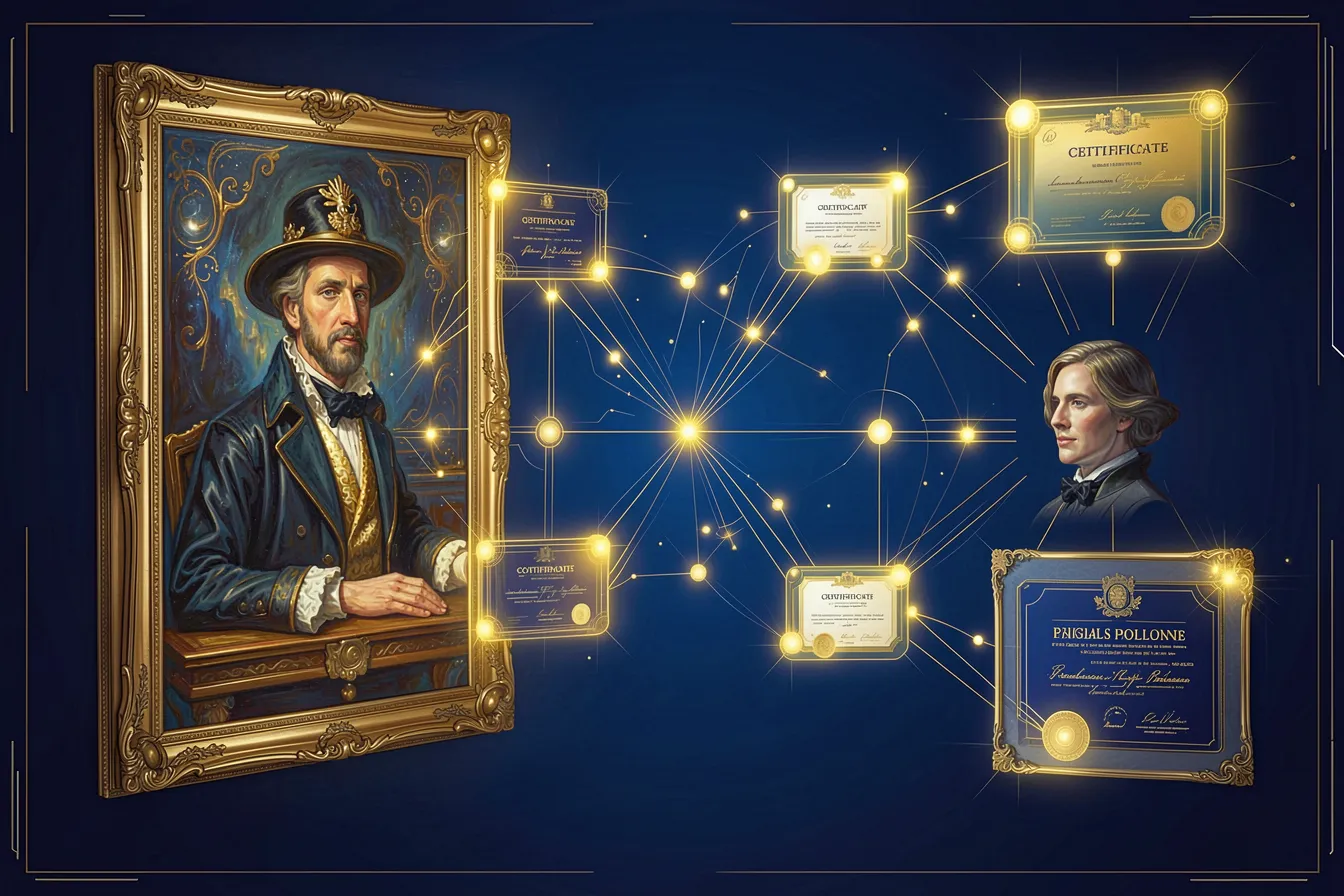
Trust drives every art transaction, and digital work strains it. So the market leaned hard into verifiable records. Many studios now log each authorized piece with a tamper-resistant certificate and a public edition ledger. A buyer checks the chain before wiring funds.
This infrastructure does something subtle. It separates the authorized artwork from the millions of loose copies floating online. The copies still circulate. They just carry no provenance, so they carry no market value. The record, not the pixels, marks the difference.
Why collectors keep buying
Strip away the mechanics and one motive remains: people collect meaning, not just images. They want a connection to an artist, a moment, and a story. A signed edition from a named creator delivers that. A random generation does not.
Late-2026 sales bear this out. Works tied to a clear artistic voice hold their price. Anonymous, mass-produced outputs crash toward zero. The medium turned infinite, so buyers reward the one thing that stays finite — a human perspective guiding the machine.
What this means for new artists
The lesson lands cleanly for anyone entering the field. Build a recognizable style. Document every release. Keep your editions honest and your provenance clean. The image spreads for free; your name and your record carry the value.
Generative tools lowered the barrier to making striking pictures. They raised the bar for making pictures worth owning. That gap is exactly where working artists now compete.
Want to develop a signature style and produce gallery-ready generative work? Explore the tools and guides at ai-art-designer.de and start building a body of work collectors can actually trace.
Images: AI-Designed