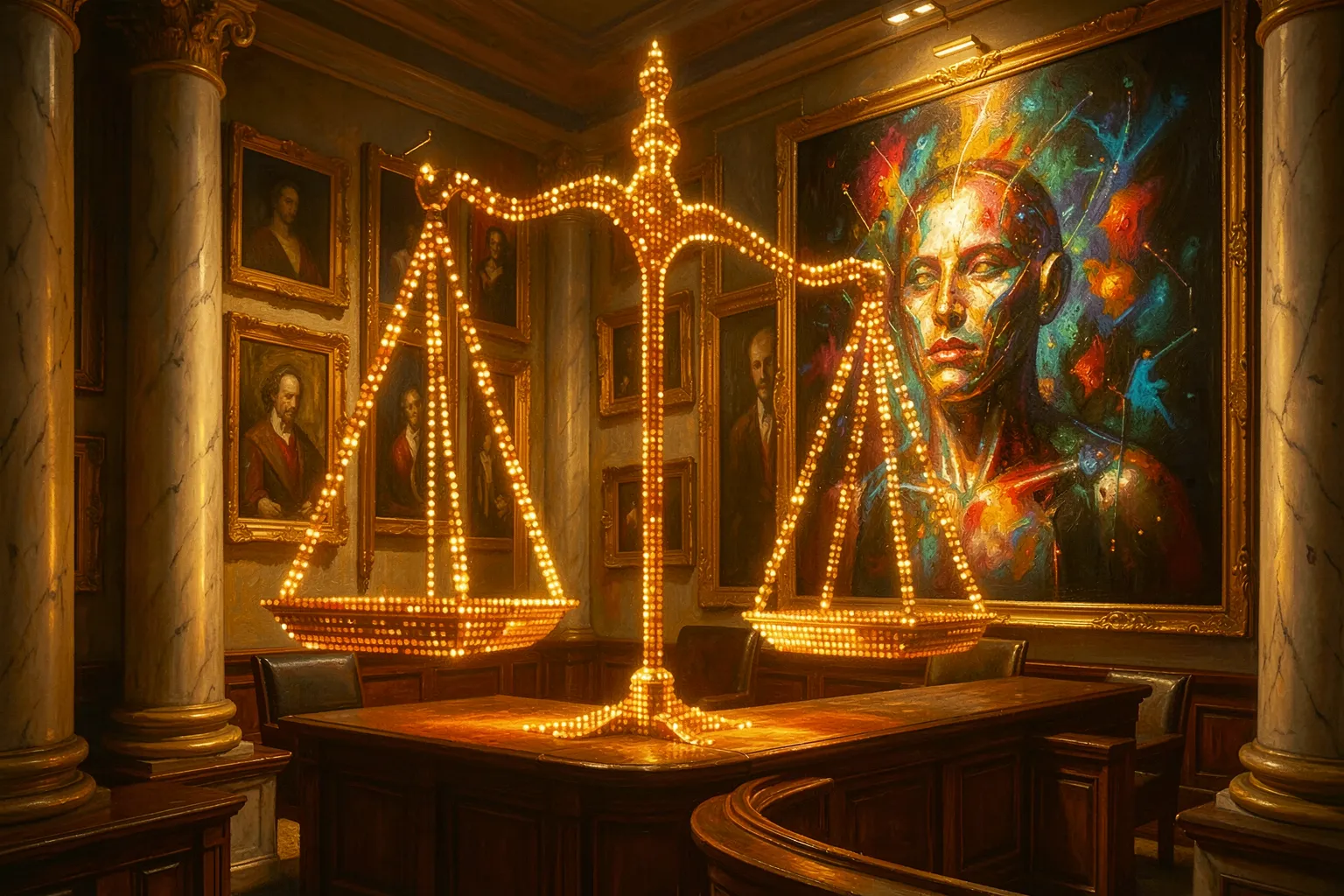
2026 turned into the year the courts finally spoke about AI art. Judges settled some questions, opened others, and handed the art world a rulebook nobody fully agreed on. Galleries, collectors, and artists now read court dockets as closely as auction results. The debates about authorship and ownership left the panel discussions and entered the record.
This piece maps what actually changed. It skips the hype and tracks the rulings that now shape how artists make, sign, and sell AI work.
The Authorship Question Got an Answer
On March 2, the Supreme Court declined to hear Stephen Thaler’s appeal. That choice left a lower ruling intact: a human must author a copyrighted work. The decision does not punish anyone for using AI. It simply demands that a person who created, operated, or directed the tool claim the credit.
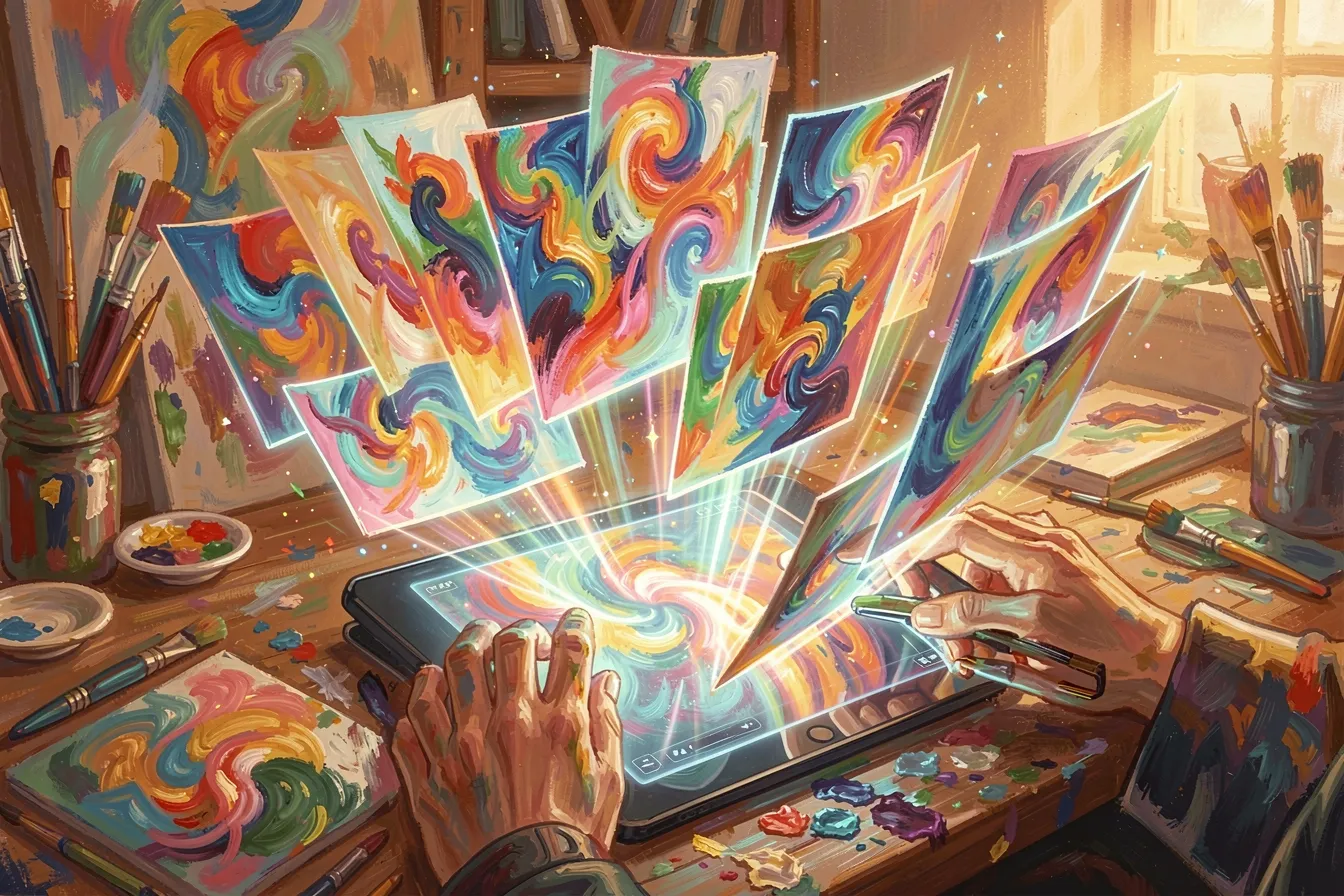
Artists welcomed the clarity more than critics expected. The ruling rewards the hand on the controls. It treats prompting, editing, and curating as real creative acts. A painter who steers a model through fifty iterations owns the result. A user who types one word and walks away has a weaker claim.
Training Data Moved to the Center
The harder fight concerns the images that trained the models. Dozens of suits target Midjourney, Stability AI, Adobe, and others. The plaintiffs ask a blunt question. Does scraping millions of copyrighted pictures without a license break the law?
On March 12, Judge Valerie Chen sharpened the stakes. She ruled that AI outputs may infringe when they land „substantially similar“ to protected works. The case involved a generator whose dataset held more than 10,000 illustrations scraped without permission. The court refused to grant the company blanket cover.
Around the same window, Anthropic agreed to pay roughly $1.5 billion to settle a suit brought by book authors over training data. That figure dwarfs any previous copyright settlement. It signals how much money now rides on how a model learns.
A Fact-by-Fact Standard, Not a Blanket Rule
The courts refuse to hand anyone a clean verdict. Training on copyrighted data is not automatically illegal. It is also not automatically fair use. Judges weigh each case on its facts. They ask one central question above the rest.
Does the AI output compete with the original in its own market? If a model reproduces an illustrator’s style and steals her commissions, the analysis tilts against it. If the output transforms the source into something genuinely new, the balance shifts back. This standard rewards transformation and punishes cloning.
- Human input matters. Document your process, your edits, and your choices.
- Provenance matters. Know what trained the tools you use.
- Market harm matters. Courts scrutinize outputs that undercut named artists.
What Galleries and Collectors Now Ask
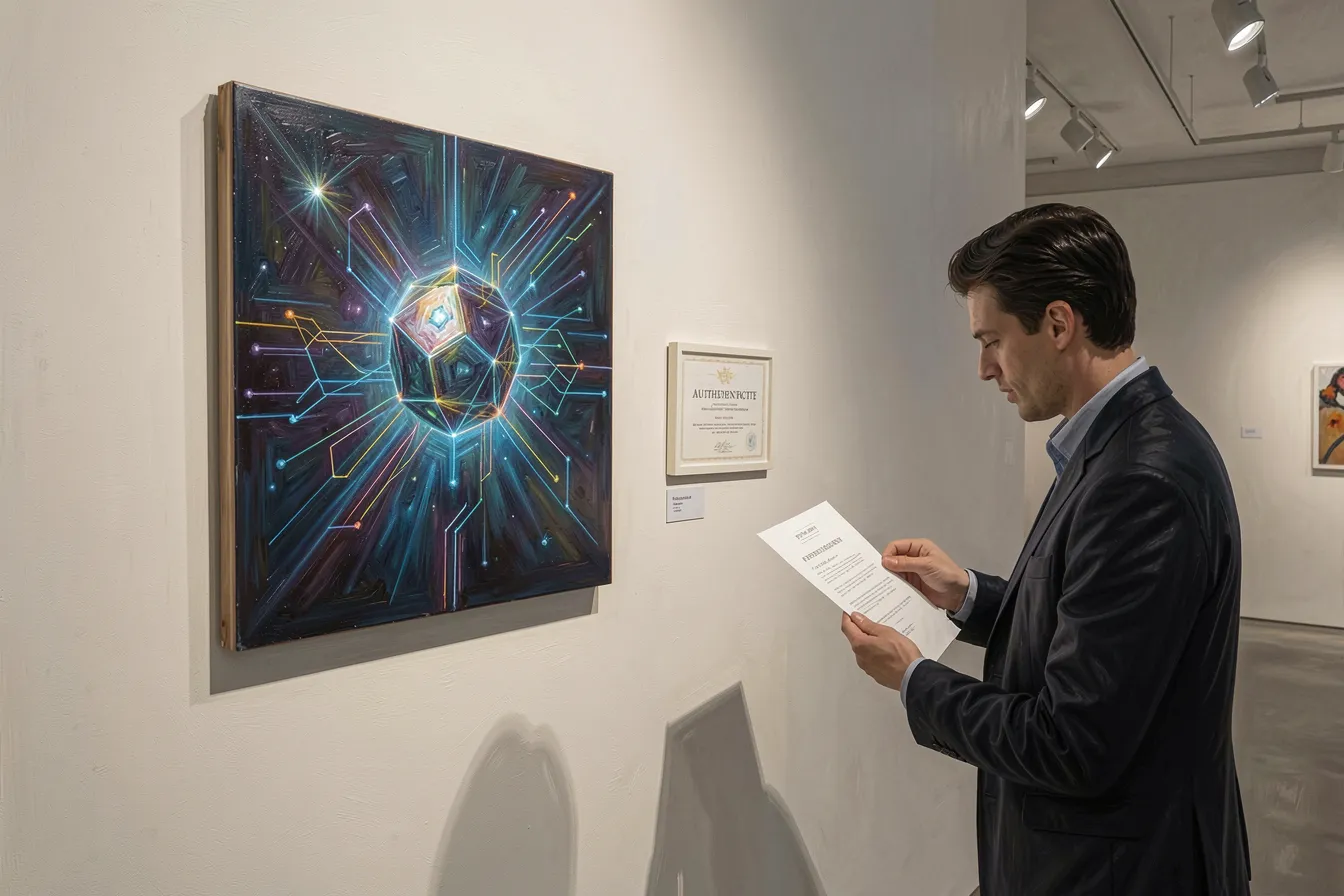
The rulings changed the questions buyers pose before they write a check. Collectors want a paper trail. They ask which model made the piece, who guided it, and whether the artist can defend the copyright. A clean record now adds value, much as a clear provenance does for a painting.
Galleries adapt fast. Many now request a short statement of process with each AI work. The statement names the tools, describes the human direction, and confirms the artist owns the rights. This habit protects the buyer and lifts the piece above anonymous machine output.
The Practical Takeaway for Artists
Treat the law as a creative constraint, not a threat. Steer your tools with intent. Keep your iterations, notes, and edits. Choose platforms that respect provenance and licensing. These habits build a defensible body of work and a stronger artistic voice at once.
The verdict era rewards artists who show their hand. The machine widens the palette, but the human still signs the canvas. Explore more on how AI reshapes art and design at ai-art-designer.de.
Images: AI-Designed